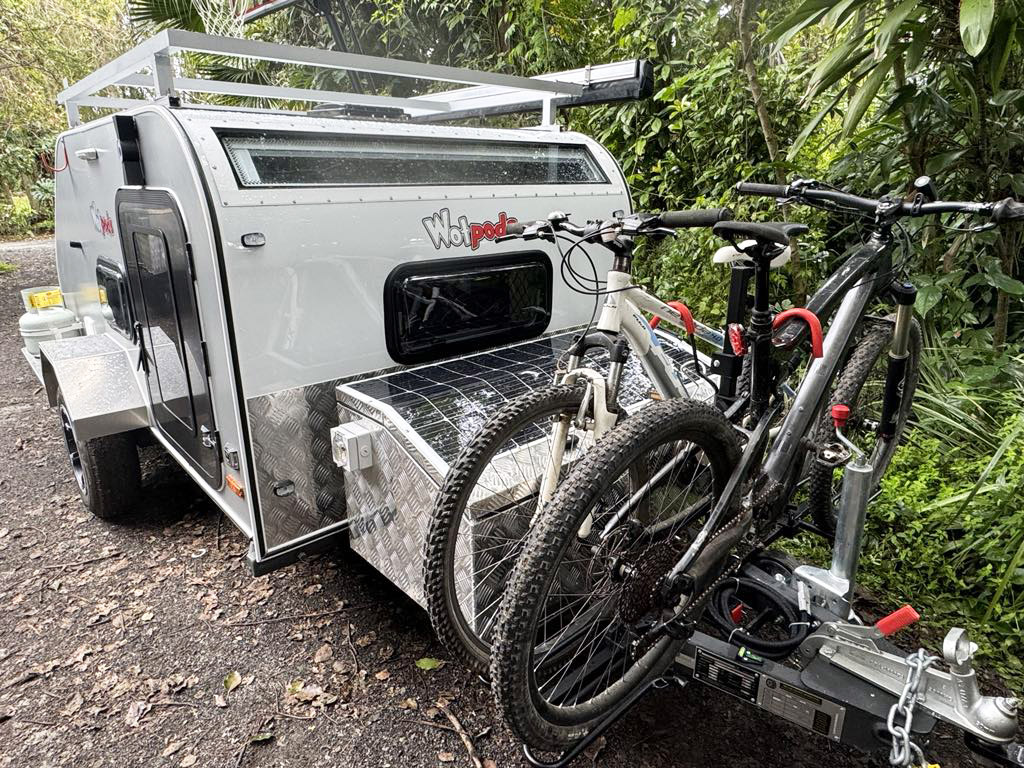
A lot of towing problems start before you load a single bag. Get the drawbars, towing drawbar, drawbar length decision wrong and you can end up with difficult reversing challenges, poor balance, or a van that just feels harder to tow than it should.
For compact caravans and teardrop campers, the drawbar does more than connect the trailer to the towball. It affects stability, turning clearance, weight distribution, and how much room you have for front storage, jerry can holders, bike racks or a toolbox. In simple terms, it is one of the key bits that shapes options and how your camper behaves on the road.
Why drawbar length matters
Drawbar length changes the feel of the whole setup. A longer drawbar usually gives you better turning clearance between the tow vehicle and trailer, which can make tight manoeuvres easier and reduce the chance of contact when reversing. It can also improve towing manners in some setups by making the trailer react a bit less sharply.
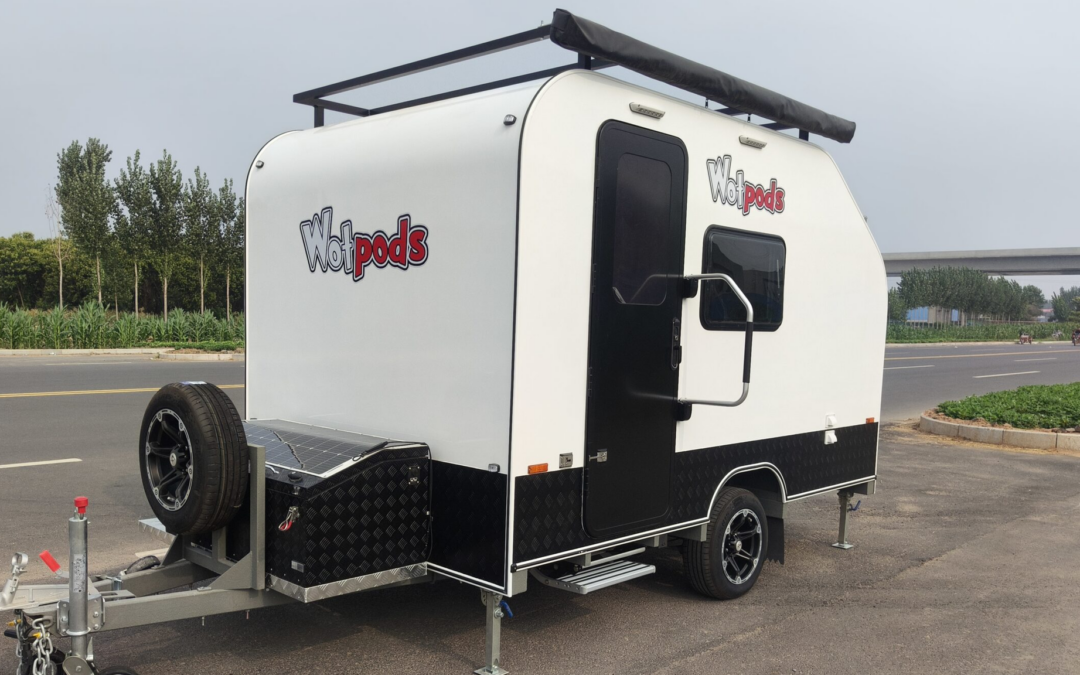
The trade-off is that extra length adds overall size. If you definitely cannot accommodate the extra 50cm for a 1.5m drawbar, there’s not a lot you can do about that. A shorter drawbar keeps the trailer more compact, but it can feel twitchier when reversing and may limit clearance depending on your vehicle.
What a towing drawbar needs to do well
A good towing drawbar is not just about strength. It needs to suit the trailer size, intended load, suspension setup and expected terrain. For Aussie touring, that matters even more because plenty of buyers want a camper that can handle highway kilometres, regional roads and the occasional rougher access track without drama.
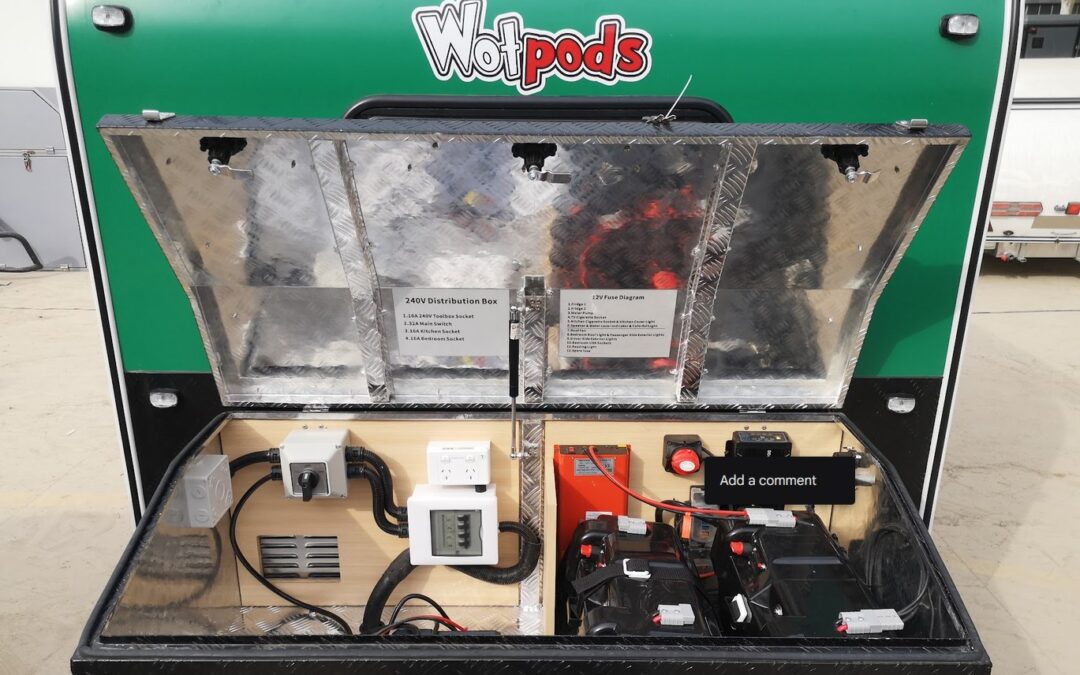
You also need to think about ball weight. If the drawbar area carries storage, spare wheels, gas bottles or batteries, that front-end weight must be matched carefully with the rest of the van. Too light and towing can feel unsettled. Too heavy and you can overload the tow vehicle or hurt comfort and handling.
The smart way to assess drawbars
If you are comparing campers, do not just look at body size or tare weight. Ask how the drawbar length works with the chassis, where the storage sits, and what that means for real-world towing. A well-designed compact camper should feel easy to tow, easy to reverse and practical to live with once you reach camp.
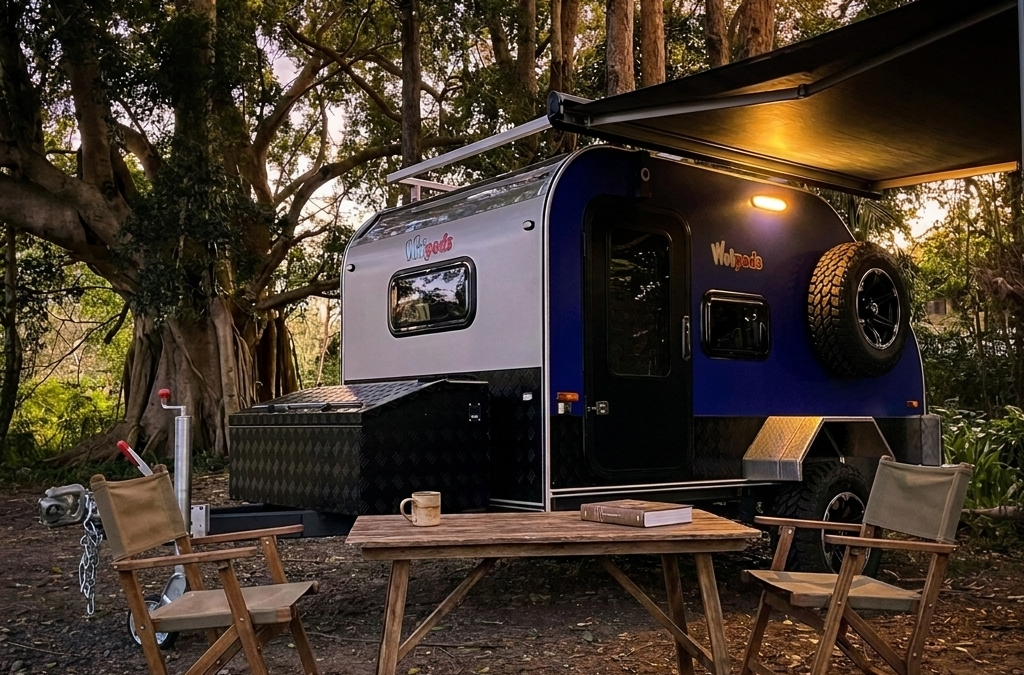
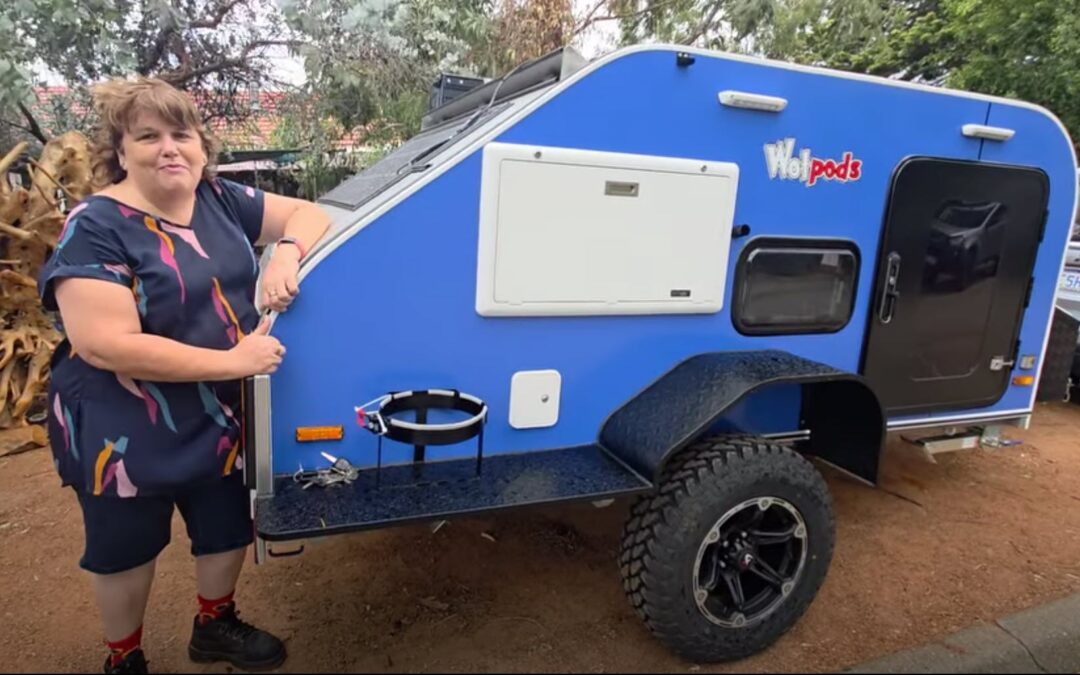
That is why brands like Wotpods focus so heavily on tow-friendly layouts, opting for the longer 1.5m drawbar with a 360 hitch. The longer drawbar gives you confident towing, sensible weight distribution, space for a larger storage box, a bike rack and enough practicality to make you do stuff, not fight your trailer.