How to Choose a Teardrop Caravan: Buyer’s Guide
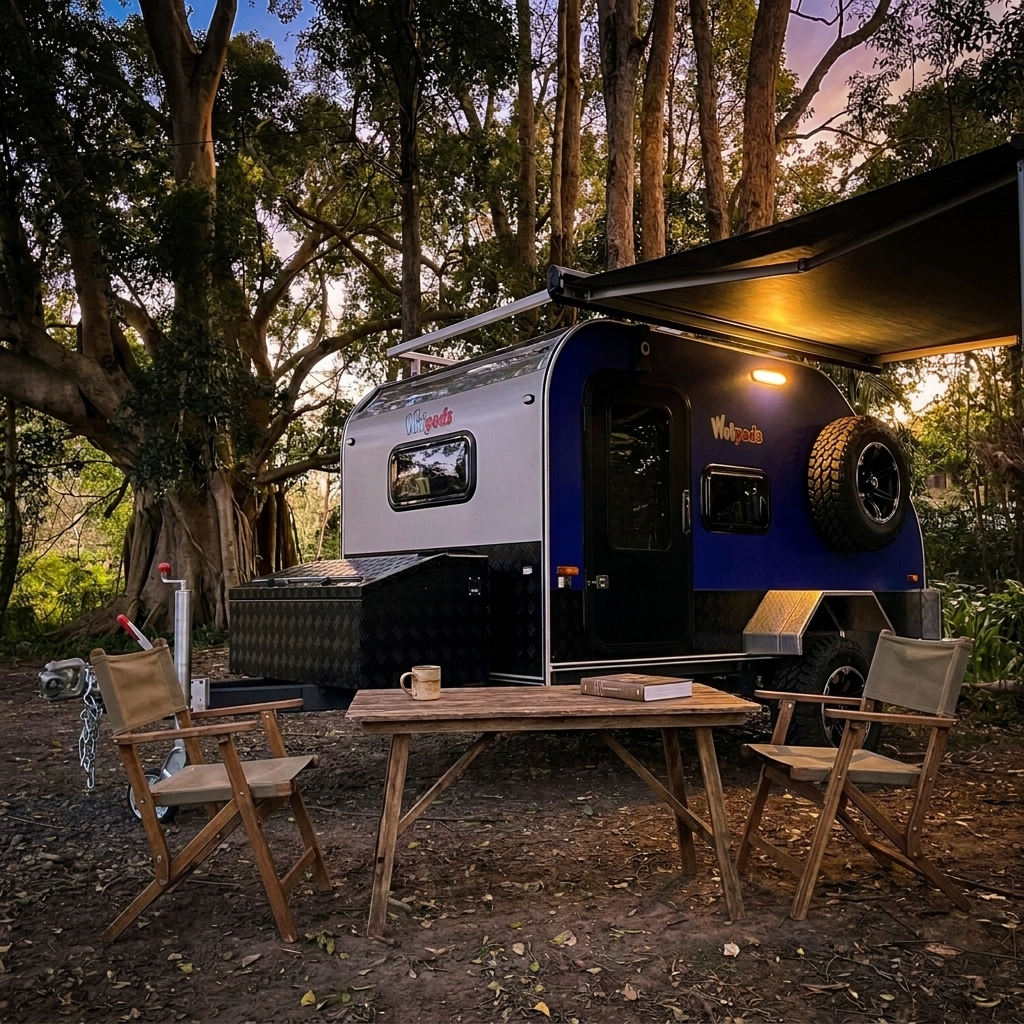
Buying a teardrop is a genuinely different decision to buying a full-size caravan, and the checklist should reflect that. You’re not weighing up floor plans across six metres of living space, you’re deciding what a much smaller, more focused setup actually needs to do for you, and getting that right matters more here than it does with a bigger van where there’s room to compromise.
This guide pulls together the full checklist: the things that are genuinely specific to teardrops, layout, on-road versus off-road capability, kitchen and power setup, plus the things that matter just as much but we’ve already covered properly elsewhere, budget, tow vehicle compatibility, and build quality. Here’s where to focus.
Start With How You’ll Actually Use It
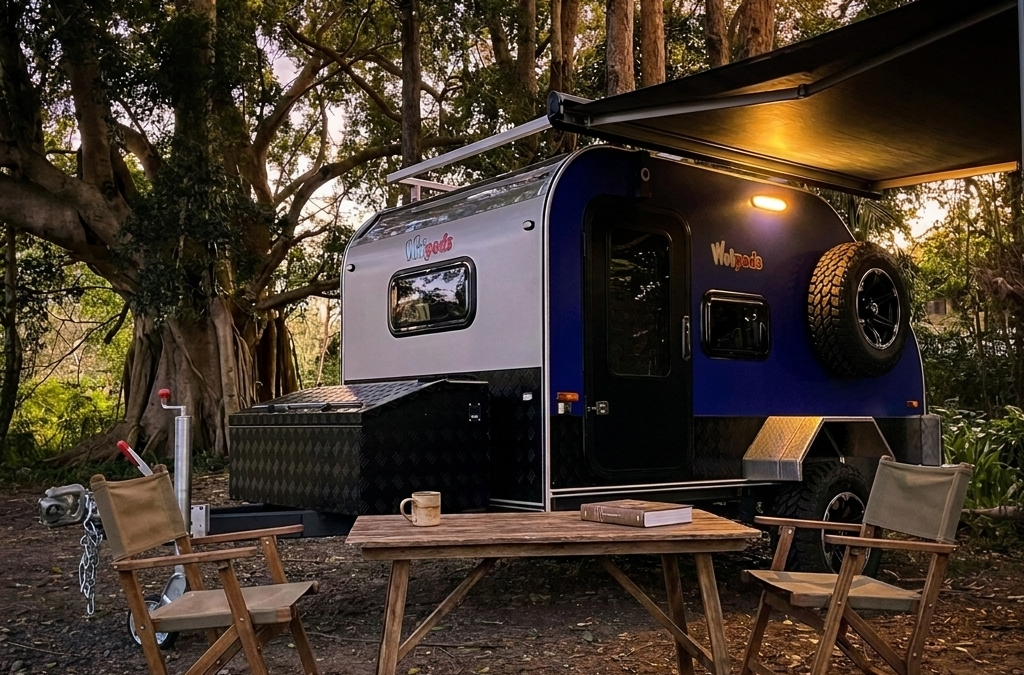
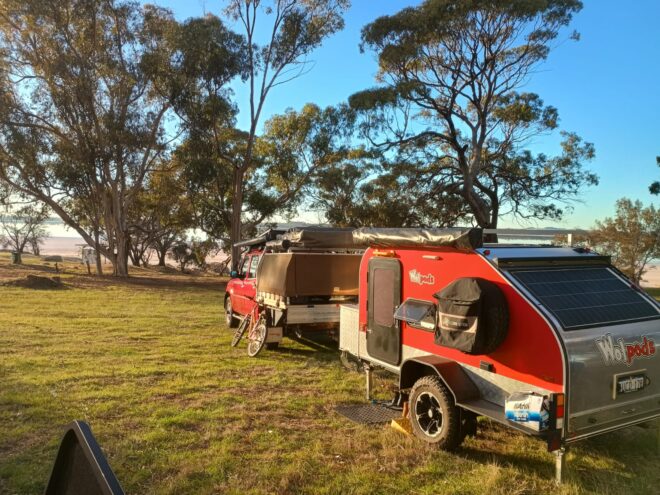
This decides almost everything else on this list, so it’s worth being honest about it upfront. Weekend trips on sealed roads to established campgrounds is a genuinely different brief to remote touring on unsealed tracks, staying off-grid for days at a time. If you’re mostly doing the former, you don’t need to pay for or carry the capability the latter demands. If you’re planning the latter, skimping here is where trips actually go wrong.
Layout and Sleeping Capacity
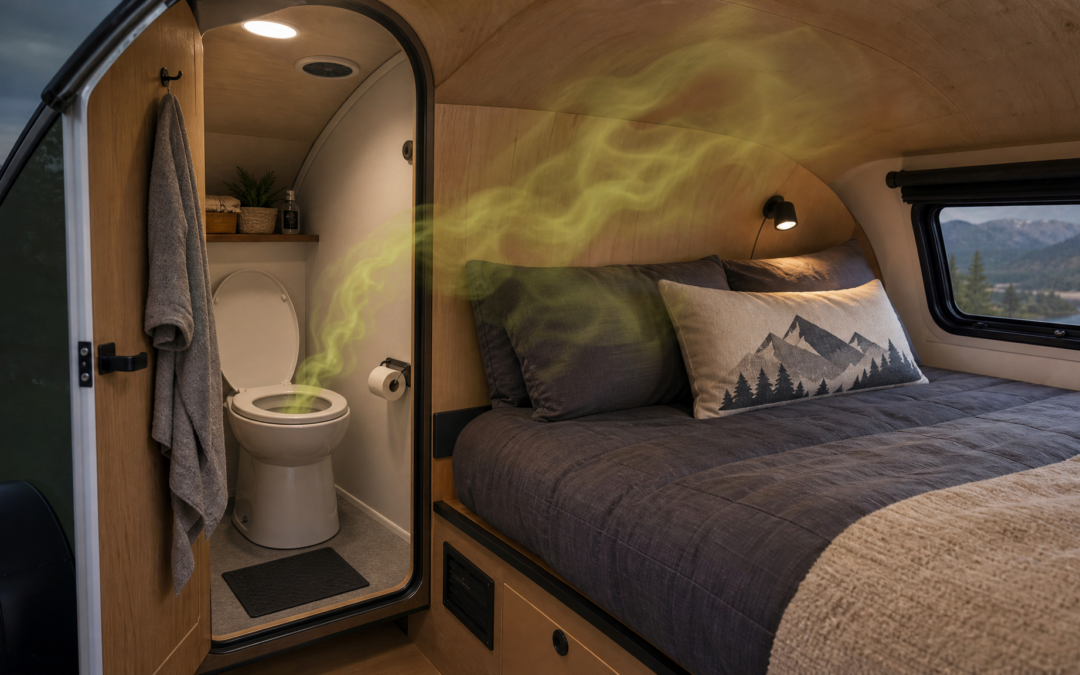
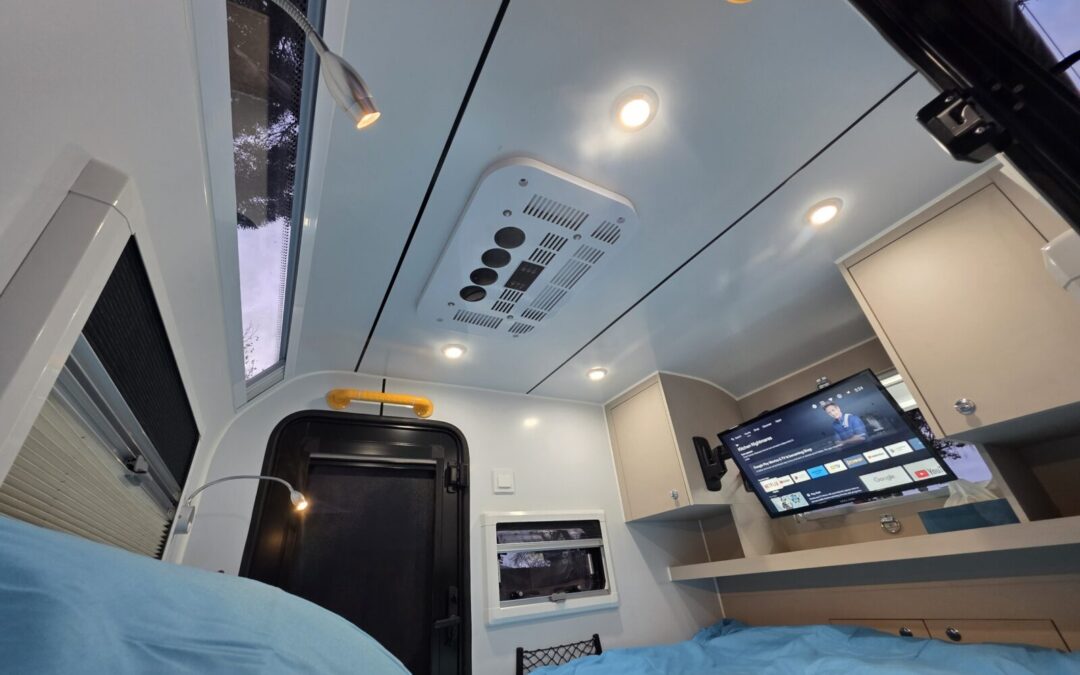
Work out how many people actually need to sleep in it, and how often. Most teardrops sleep two comfortably in a queen or double bed, with the galley and storage handled externally, but bed size, headroom for sitting up inside, and how storage is split between internal cabinetry and external boot space all vary meaningfully between models. If you’re regularly travelling as a couple with occasional extra guests, check whether awning or annex options genuinely extend usable space rather than just adding shade.
On-Road vs Off-Road Capability
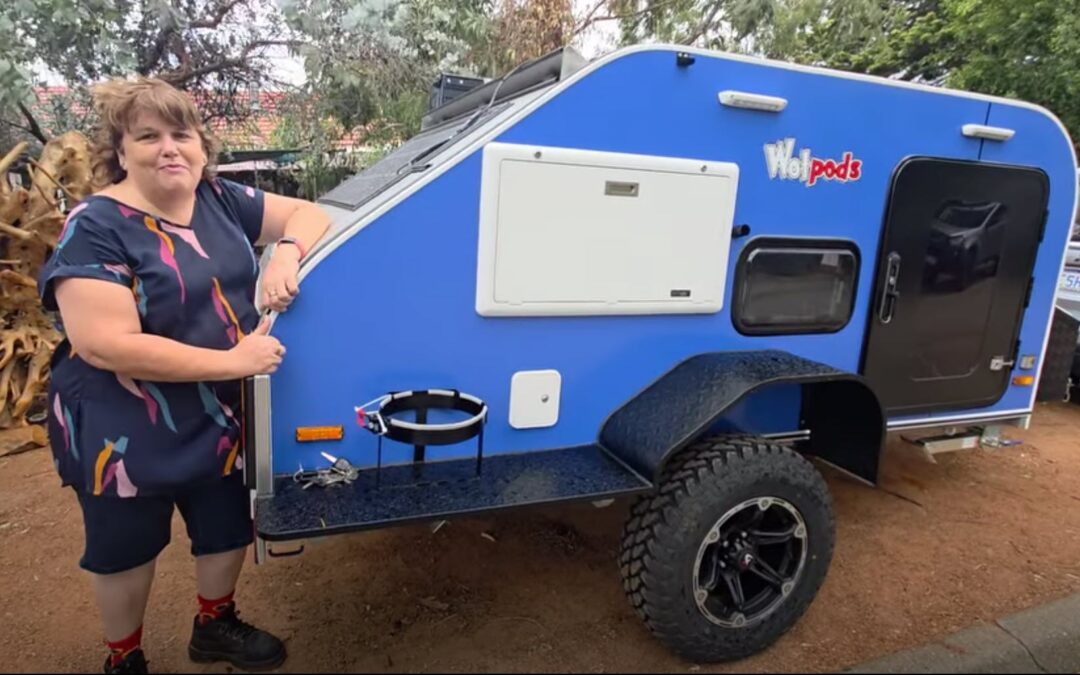
This is where “how you’ll use it” actually shows up in the spec sheet. A teardrop built for sealed roads and established campgrounds can run a simpler suspension setup and standard road tyres without any real downside. A teardrop headed for corrugated dirt roads or genuine remote touring needs independent trailing arm suspension, decent ground clearance, and tyres rated for the conditions, since a setup built for bitumen will get shaken apart, and expensively, on rough tracks it was never designed for.
Don’t pay for off-road capability you won’t use, and don’t skimp on it if you will. Be honest with yourself about which category your actual trips fall into.
Kitchen and Power Setup
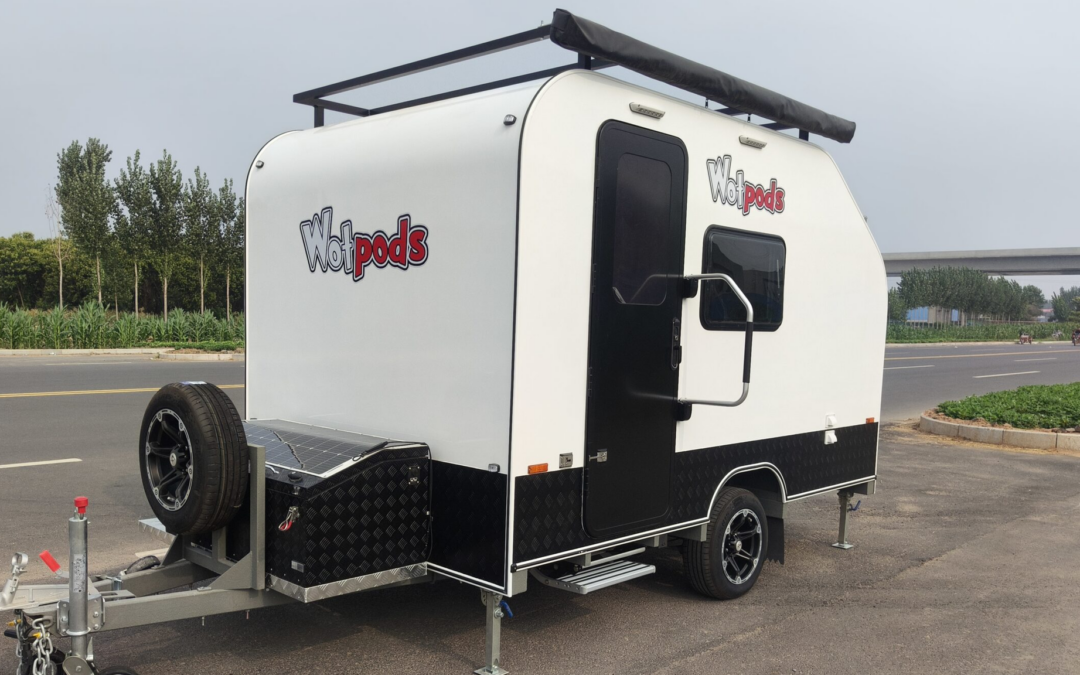
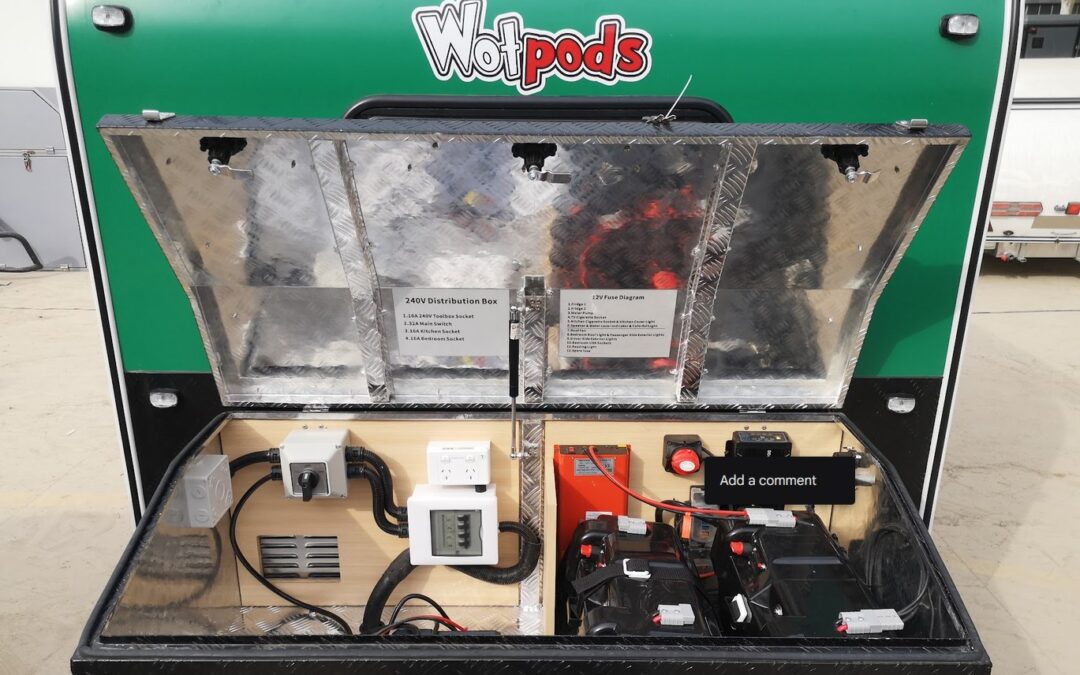
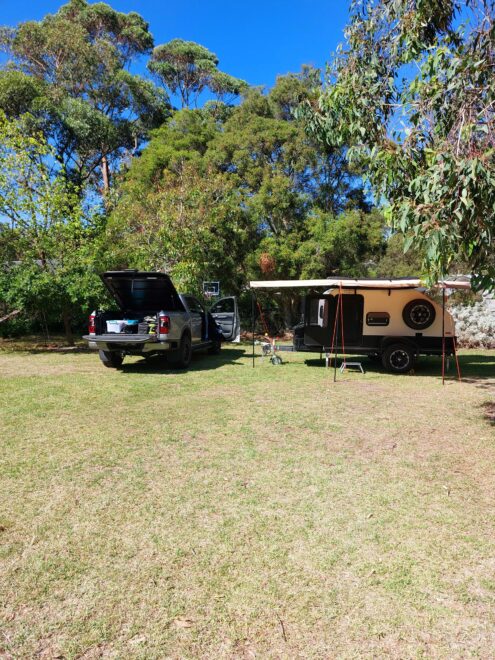
Most teardrops run an external galley, kitchen gear accessed through the rear hatch, which keeps the interior focused purely on sleeping. Check water tank capacity against how many days you’ll realistically go between refills, and whether cooking is gas, induction, or both, since that affects what you need to carry and how you’ll manage power.
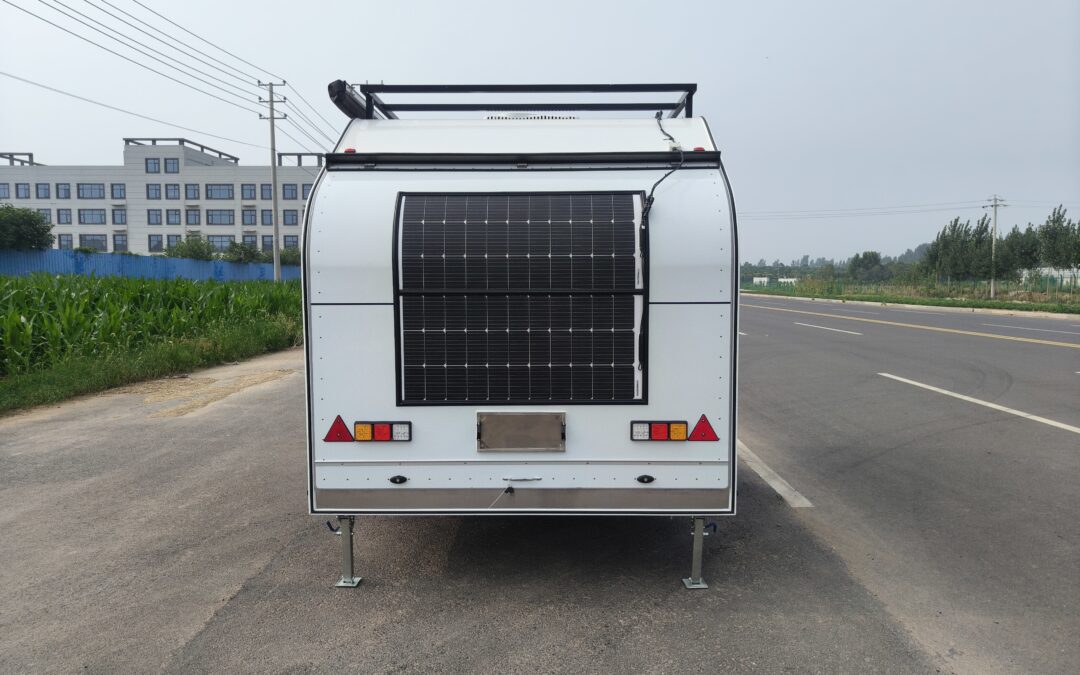
If off-grid capability matters to you, battery capacity and solar input are the two numbers to actually compare between models, not just headline features. A teardrop with a small battery and no solar is fine for powered sites, but it won’t keep you comfortable free camping for more than a night or two.
The Three Things We’ve Already Covered Properly
A few things belong on every teardrop buyer’s checklist, and we’ve gone deep on each of them separately rather than repeating the detail here.
Budget. Teardrop pricing varies more than people expect once you factor in build quality and options. We’ve broken down real Australian pricing in our full teardrop caravan pricing guide.
Tow vehicle compatibility. Even a lightweight teardrop needs checking against your specific vehicle’s GVM and GCM, not just its advertised towing capacity. Our guide on what tow vehicle you actually need walks through exactly how to check this properly.
Build quality and compliance. Chassis thickness, frame material, and the compliance standards a manufacturer actually meets matter more than where a caravan was built. We’ve covered this honestly in our comparison of build quality across origins.
After-Sales Support
This is the one buyers most often skip and regret skipping later. Before you commit, check how accessible parts and servicing actually are, what the warranty genuinely covers, and how responsive the manufacturer is to questions before you’ve even bought anything, since that’s a reasonable preview of how responsive they’ll be afterward. A great-looking teardrop from a manufacturer you can’t get support from becomes a much bigger problem the first time something needs fixing.
Frequently Asked Questions
What should I look for when buying a teardrop caravan?
Start with how you’ll actually use it, sealed roads and campgrounds versus remote off-grid touring, since that shapes everything else. From there, check layout and sleeping capacity, on-road versus off-road capability, kitchen and power setup, your budget, your tow vehicle’s compatibility, build quality, and the manufacturer’s after-sales support.
Do I need off-road suspension on a teardrop caravan?
Only if you’re genuinely planning to tow it on unsealed or corrugated roads regularly. For sealed-road trips to established campgrounds, standard suspension is fine and saves you paying for capability you won’t use. For remote touring, independent trailing arm suspension and adequate ground clearance are worth the investment.
How much battery and solar capacity do I need for off-grid camping?
It depends on how long you’ll be off-grid and what you’re running, fridges and lighting use relatively little, while things like induction cooktops or air conditioning draw considerably more. Compare battery capacity and solar input directly between models rather than relying on general “off-grid capable” marketing claims, since the real numbers vary widely.
Should I buy a teardrop with an internal or external kitchen?
Most teardrops use an external galley accessed through the rear hatch, which keeps the interior focused on sleeping and is the standard layout across most of the market. The more important checks are water tank capacity and cooking method, gas, induction, or both, matched to how you actually plan to camp.
How important is after-sales support when choosing a teardrop caravan?
More important than it seems at purchase time. Check parts and servicing accessibility, warranty terms, and how responsive the manufacturer is before you buy, since that’s a reasonable indicator of what support will actually look like if something needs fixing down the track.
Is a lighter teardrop always the better choice?
Not necessarily. A lighter teardrop is easier to tow with a wider range of vehicles, but weight also reflects build quality, insulation, and features, so the lightest option isn’t automatically the best one. It’s worth weighing, weight against what you actually need the caravan to do.
Build Your Checklist Into a Real Decision
A teardrop is a focused purchase, and getting the checklist right matters more here than it does with a bigger van where there’s room to compromise.
Have a look at our full model comparison to see how our range stacks up against this checklist, or build your own configuration in our 3D builder to see exactly what you’d be getting.
This article provides general guidance for choosing a teardrop caravan. Specific requirements vary by intended use, vehicle, and personal preference.