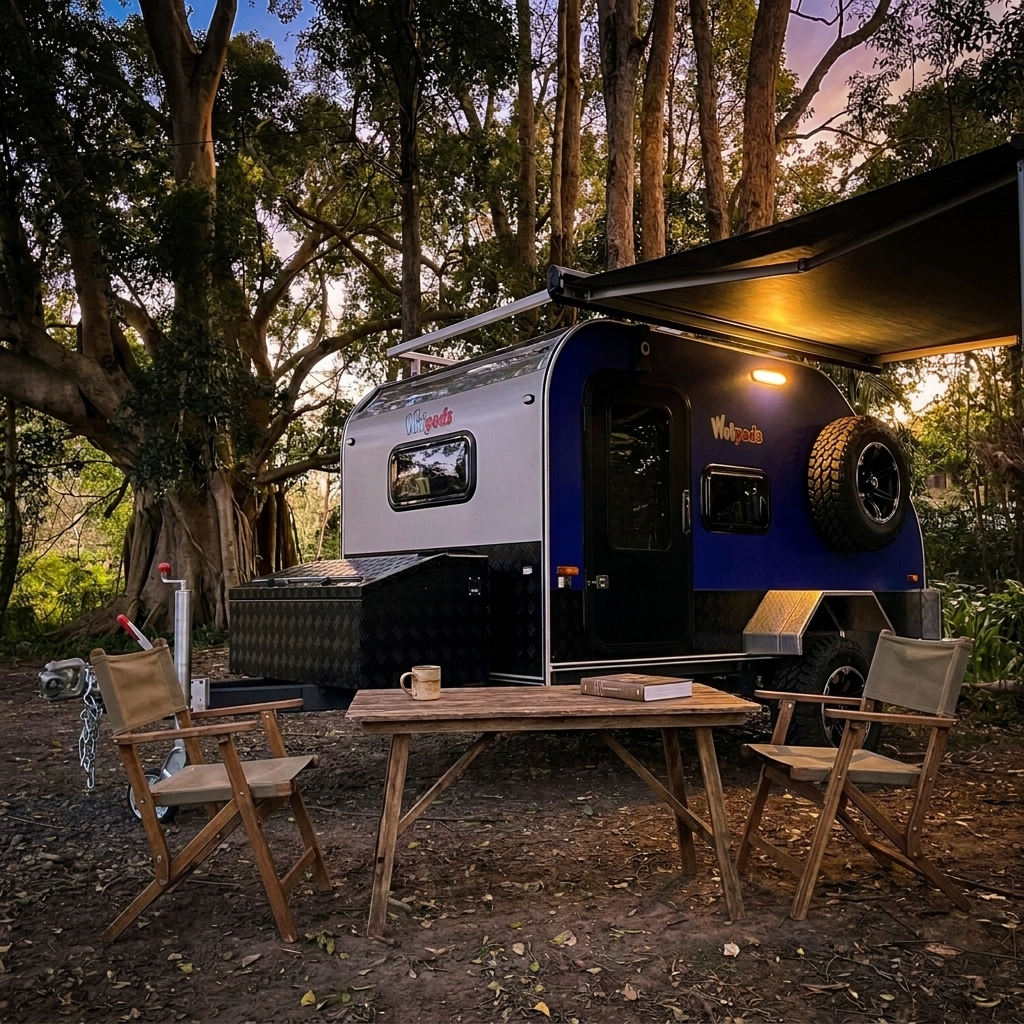
It’s a reasonable question to ask before spending twenty or thirty thousand dollars: does it matter where a teardrop camper is actually made?
Here’s the honest answer, and it’s a bit more useful than a simple yes or no. Country of manufacture alone is not a reliable signal of build quality in this industry, and the data backs that up. Quality problems show up in imported and Australian-made teardrops alike, and in at least one well-documented case, a locally made teardrop brand ended up in serious legal trouble that had nothing to do with where it was built. What actually separates a well-built teardrop from a risky one has more to do with compliance, specific construction choices, and who stands behind the product than with the flag on the box. Here’s what the evidence actually shows, and what to check instead.
The real problem isn’t which country, it’s a regulatory gap
Australia’s recreational vehicle industry has a documented quality and compliance problem, and it’s bigger than any single country of origin. The ACCC has recorded a steady rise in complaints about caravans, campervans and camper trailers since 2017, and a 2022 ACCC survey found that 80 percent of new caravan owners reported some kind of failure with their vehicle . CHOICE, Australia’s independent consumer body, has separately reported hearing from a large number of owners with serious, expensive faults across the price spectrum.
The root cause is structural, not national. Caravans and trailers under 4.5 tonnes, which covers essentially every teardrop on the market, are legally allowed to be self-certified for compliance with Australian Design Rules rather than independently inspected. That applies equally to a small Australian workshop and a large importer. One industry compliance auditor, who has spent years inspecting caravans and trailers for manufacturers and buyers, has been blunt about it: there are a lot of poorly built products in this category, from a lot of different sources.
There is one genuinely useful, verifiable signal buyers can look for here, and it has nothing to do with nationality. The RVMAP program is a voluntary industry accreditation scheme, open to both local manufacturers and importers, in which businesses commit to consistent ADR compliance and submit to regular inspection. RVMAP-licensed businesses have recorded, on average, roughly three times fewer compliance issues than non-licensed businesses in industry inspections. Asking whether a manufacturer or importer, wherever they build, is RVMAP licensed or can show compliance documentation is a far more useful question than asking which country their factory is in.
Even “Australian-made” isn’t an automatic guarantee
This is worth stating plainly, because it’s the part a simple “just buy local” answer leaves out. Being Australian-made does not automatically mean well-built or well-run.
In 2018, Gidget Retro Teardrop Camper Pty Ltd, a Brisbane-based Australian teardrop manufacturer, was ordered to pay more than one million dollars in fines, compensation and costs following a Queensland Office of Fair Trading investigation, after the company accepted payment from customers for campervans it failed to supply within a reasonable time. It’s a sobering example precisely because it involves the exact product category this article is about, and it’s a reminder that “Australian-made” describes where something was built, not how well the business behind it is run or how solid the engineering is.
None of this means Australian manufacturing is bad, or that Chinese manufacturing is inherently good or bad either. It means the flag on the specification sheet is the wrong thing to be checking.
What actually determines whether a teardrop is well-built
Once you set country of origin aside as the deciding factor, the things that genuinely matter become much clearer, and they’re all checkable before you buy.
Compliance accreditation. Ask whether the manufacturer or importer is RVMAP licensed, or ask to see evidence of ADR and VSB1 compliance. This applies equally whether the build is local or imported, and it’s a far stronger signal than assumptions based on origin.
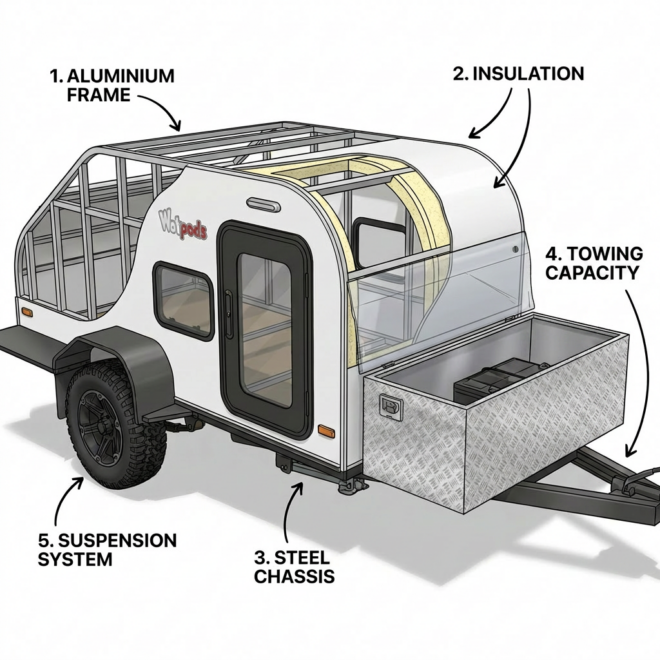
The specific materials and construction. Chassis thickness and treatment, frame material, and panel construction are the things that actually determine durability, and they vary enormously between brands regardless of where they’re based. We’ve covered exactly what to look for in our guide to choosing a budget teardrop, including why chassis thickness and frame material matter more than almost anything else on the spec sheet.
Warranty terms and who actually honours them. A generous-sounding warranty is only as good as the business standing behind it. Look for clear, specific terms, and consider how accessible and accountable the business actually is if something goes wrong.
Local parts and support. This is where being locally based genuinely does matter, not because of nationality, but because of logistics. If a part fails or you need servicing, a manufacturer with local stock and local staff can generally resolve it faster than one relying on overseas supply chains, regardless of where the original build happened.
Independent reviews and real owner experience. Forums, owner groups and independent reviews tend to surface build-quality patterns faster than marketing material from any manufacturer, local or imported.
Where local manufacturing genuinely does help
To be fair to the instinct behind the original question, there is a real, practical advantage to buying from a business that designs, builds and supports its product locally, it’s just not really about nationality. It’s about accountability and reach. A local manufacturer is easier to hold to their word under Australian Consumer Law, easier to visit or call, and generally has a more direct incentive to get warranty claims right the first time, since their reputation is built in the same market they’re selling into. Imported products sold through resellers can sometimes make that accountability chain longer and harder to follow if something goes wrong.
That’s a genuine point in favour of local manufacturing and support. It’s just a different, more specific point than “Chinese-made is worse,” and it’s one worth checking directly rather than assuming.
Where Wotpods fits into this
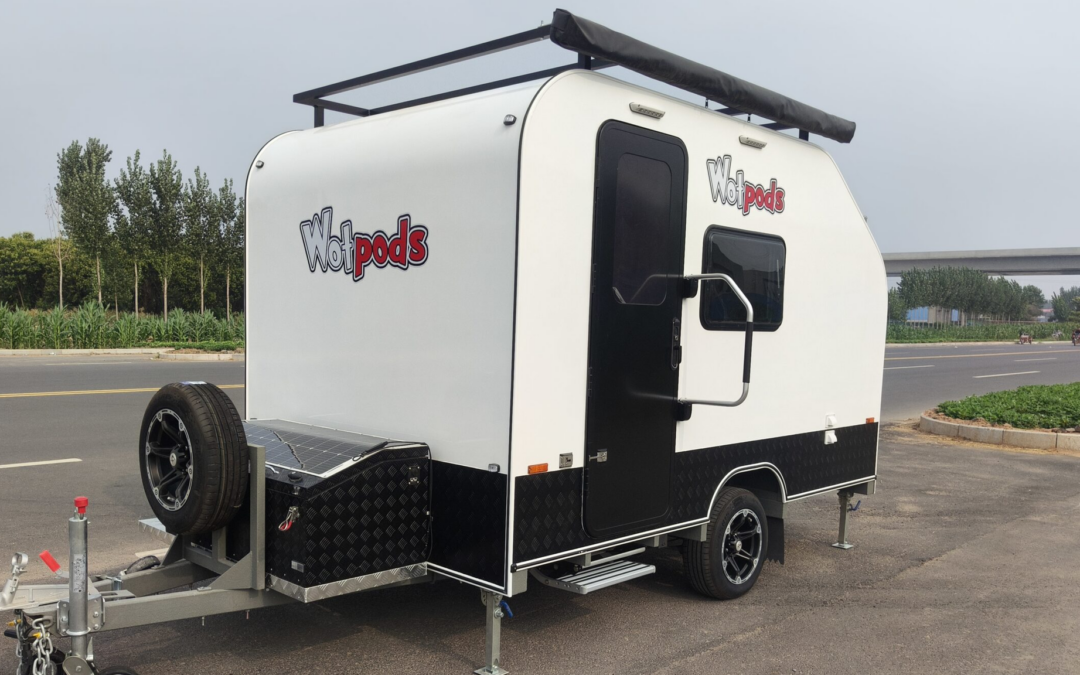
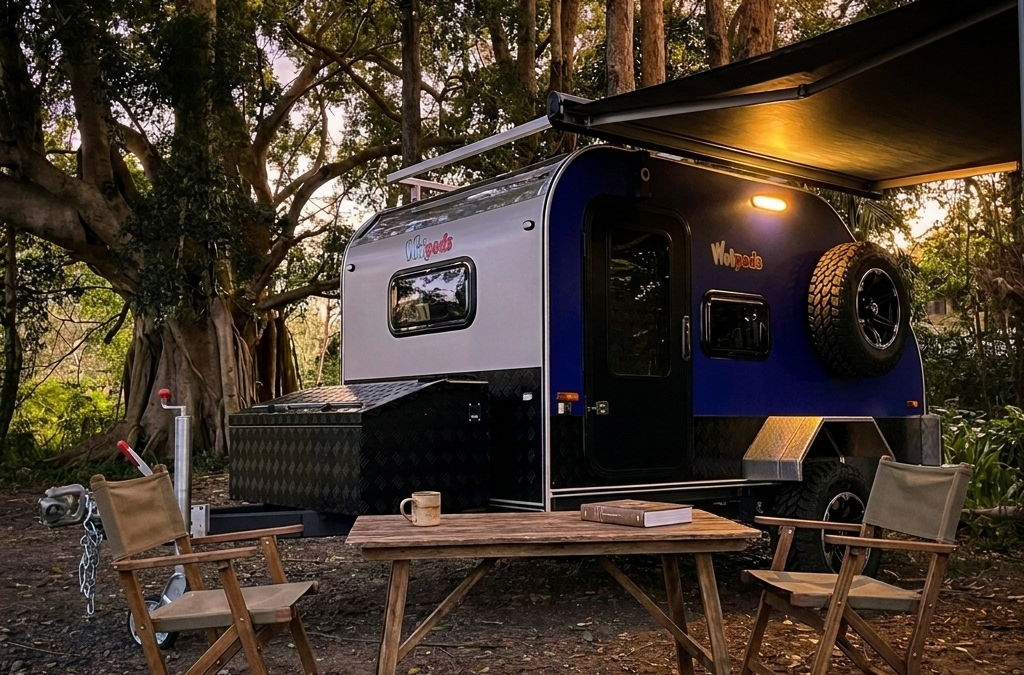
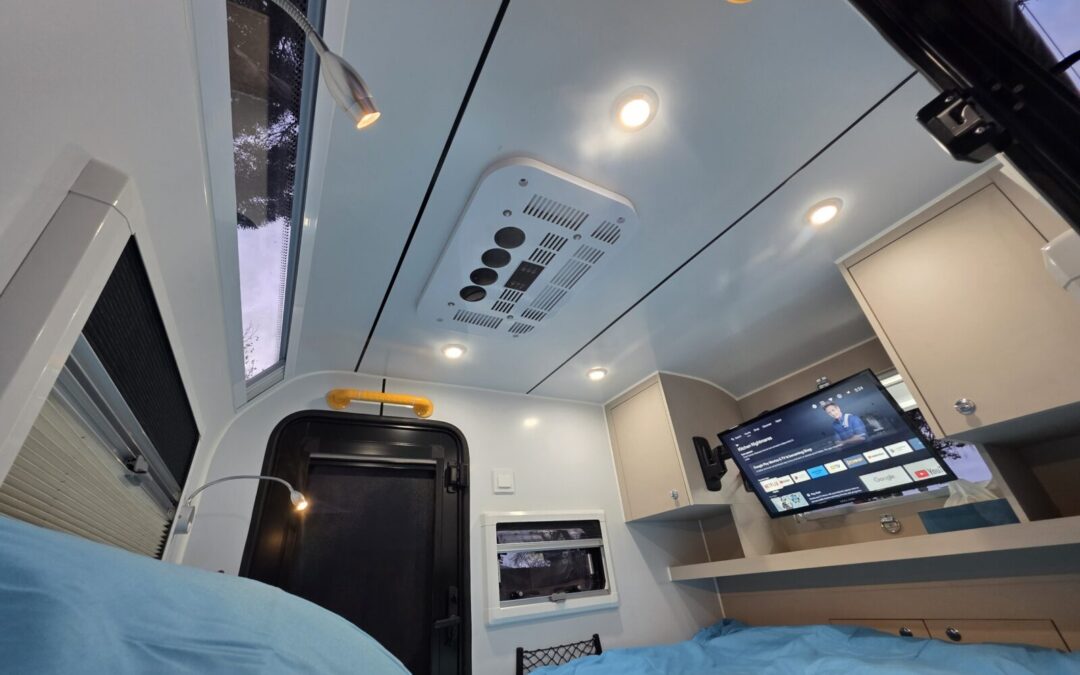
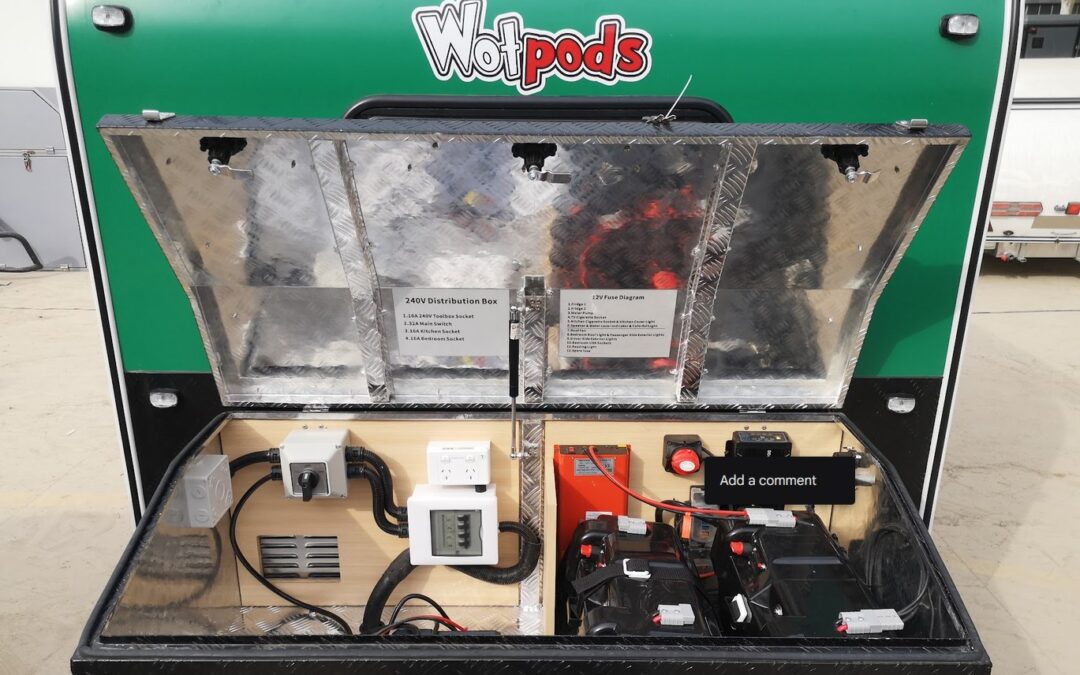
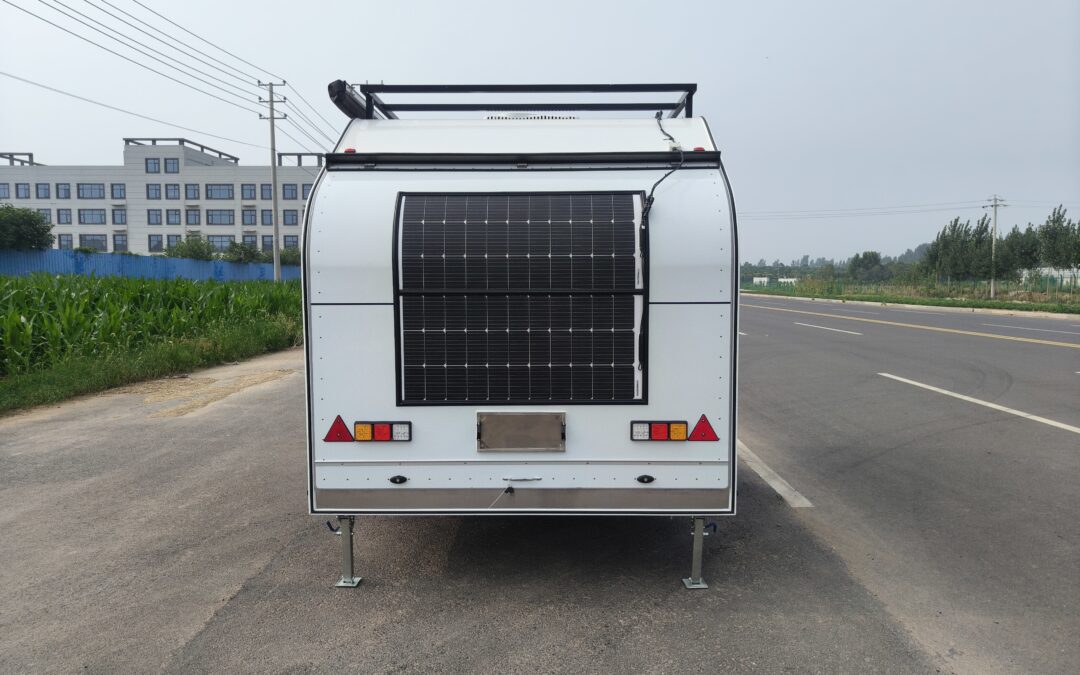
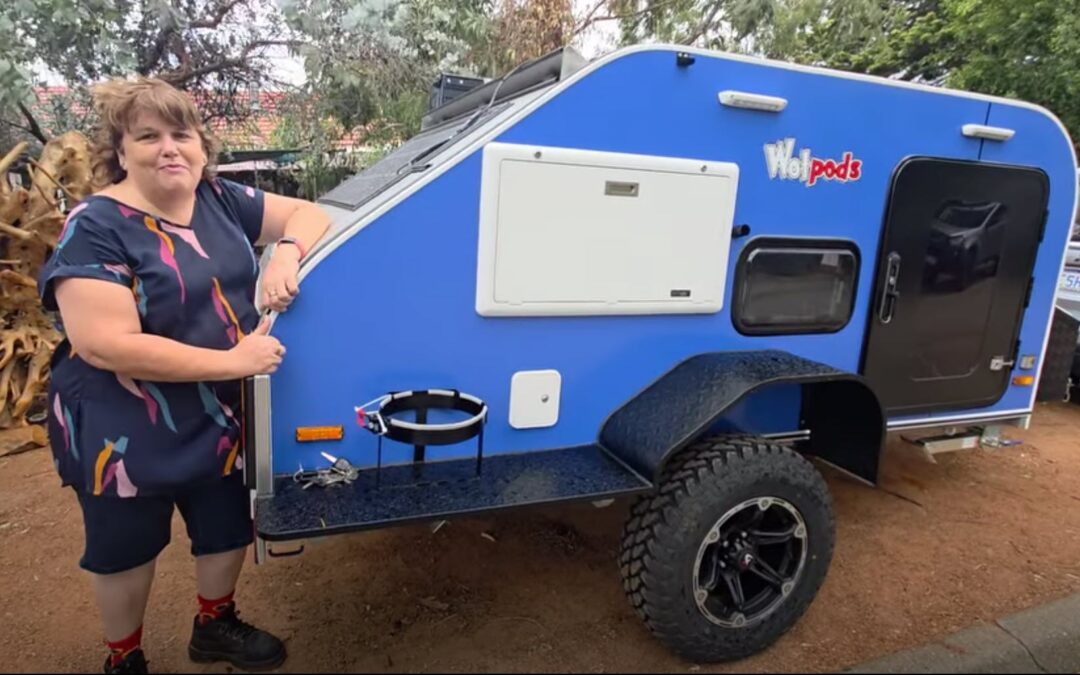
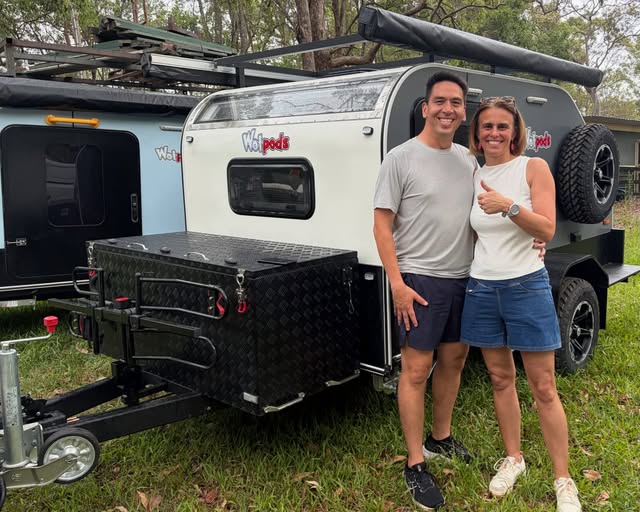
We build our teardrops in Australia, and rather than ask you to take that as a guarantee on its own, here’s what we’d actually want you to check, the same things this guide has been talking about. Our chassis is 4mm and hot-dip galvanised, against an industry standard closer to 2.5 to 3mm. Our cabin frame is full aluminium rather than timber, which won’t rot if water gets in. Our exterior panels are fibreglass, and every model is insulated throughout, including the kitchen, which a lot of “insulated” teardrops skip.
You can see the full specification breakdown, not just the marketing summary, in our model comparison or build your own configuration and see real pricing in our 3D builder. If you’re weighing this up against the broader market, our guide to teardrop pricing across the full market puts these numbers in context too.
Frequently asked questions
Are Chinese-made teardrop campers any good?
Quality varies enormously within Chinese-made teardrops, just as it does within Australian-made ones, so there’s no single honest yes or no answer based on country alone. What matters is the specific manufacturer’s compliance record, the actual materials and construction used, and the support behind the product, none of which can be reliably guessed from country of origin alone.
Is it better to buy an Australian-made teardrop camper?
Not automatically, though there can be a genuine practical advantage in terms of accountability and access to local parts and support. Being Australian-made does not guarantee good build quality or a well-run business, as demonstrated by real, documented cases of Australian teardrop manufacturers facing serious consumer law consequences. The safer approach is checking compliance accreditation, specific construction details and warranty terms directly, rather than relying on country of origin as a shortcut.
How do I check if a teardrop camper is actually compliant with Australian standards?
Ask the manufacturer or importer directly whether they hold RVMAP accreditation, or ask to see documentation of compliance with the relevant Australian Design Rules and Vehicle Standards Bulletin 1. Because trailers under 4.5 tonnes can legally be self-certified in Australia, this kind of direct verification matters more than it would in a more strictly regulated industry, and it applies to local and imported products alike.
Why do so many caravans and camper trailers have quality problems in Australia?
Largely because of a regulatory gap rather than any single country of manufacture. Trailers and caravans under 4.5 tonnes can be self-certified for compliance rather than independently inspected, which has allowed inconsistent build quality across the industry. ACCC data shows a rising number of complaints since 2017, and a 2022 survey found 80 percent of new caravan owners reported some kind of failure, spanning both imported and locally made products.
What should I look for instead of just checking where a teardrop is made?
Focus on compliance accreditation such as RVMAP licensing, the specific chassis and frame materials used, clear and specific warranty terms, whether the business has accessible local parts and support, and independent owner reviews. These factors are checkable and far more predictive of build quality than country of origin, which tells you almost nothing about the specific business or product in front of you.
Judge the build, not the flag
The honest answer to “Chinese or Australian-made” is that it’s the wrong question. The right one is whether the specific manufacturer, wherever they build, can show real compliance, real construction quality, and real accountability if something goes wrong.
We think our build stands up to that scrutiny, chassis thickness, frame material, insulation and all, and we’d rather you check the specifics than take our word, or anyone else’s, for it. Have a look at the full specifications or build your own to see exactly what you’d be getting.
This article provides general information to help compare teardrop camper options and is not a statement about any specific current manufacturer or importer other than where explicitly sourced. Always verify compliance and warranty details directly with any manufacturer before purchasing.