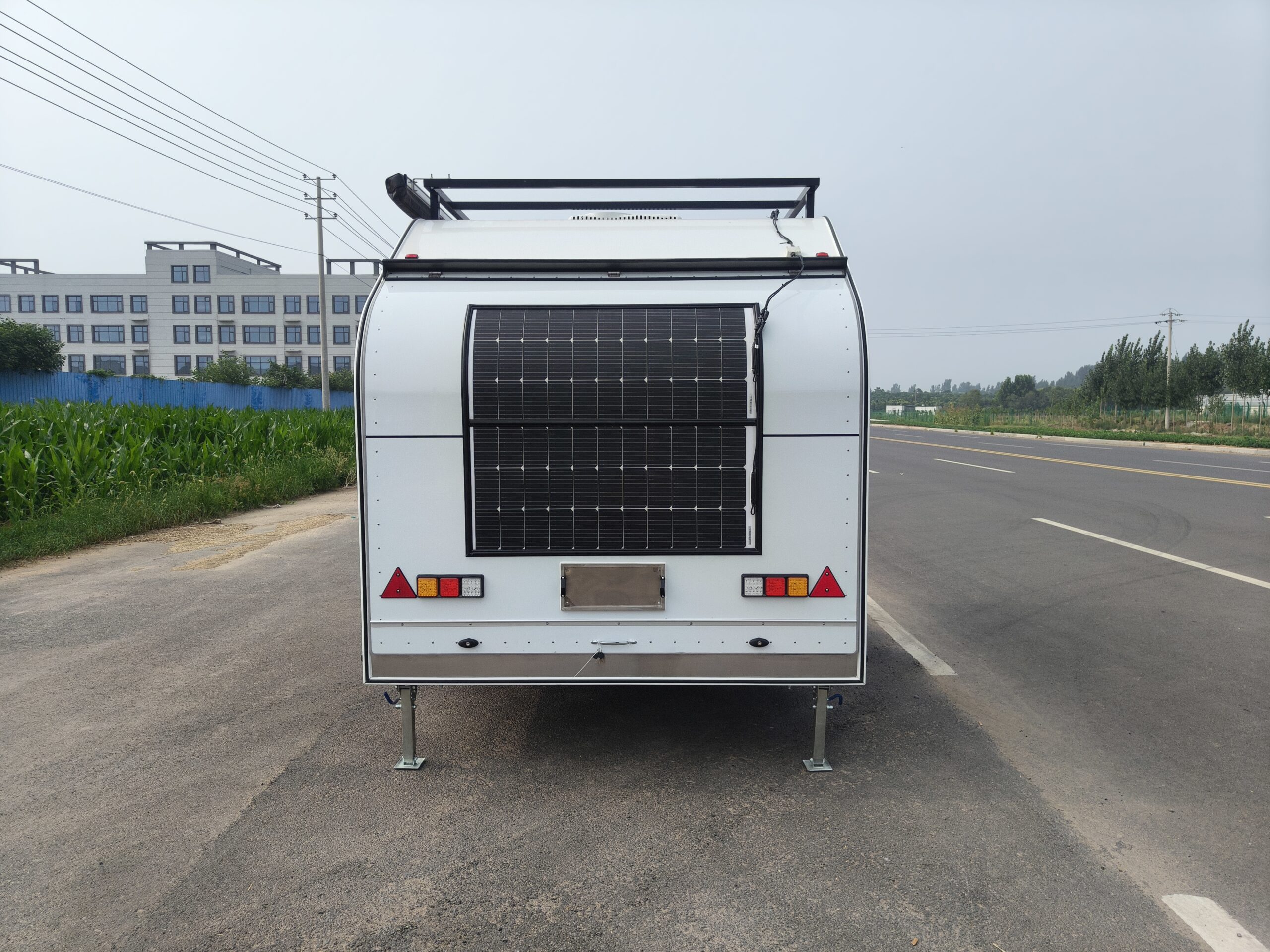
An off-grid teardrop caravan sounds brilliant right up until you picture day three at a quiet campsite with a flat battery, warm food and nowhere sensible to put your gear. That is usually the moment buyers realise off-grid ability is not a sticker on the side. It is a combination of power, water, storage, weight, layout and how you actually like to travel.
For plenty of buyers, especially couples and solo travellers who want comfort without towing a rolling block of flats, a teardrop makes a lot of sense. It is compact, easier to tow, easier to store at home and often quicker to set up when you finally pull in for the night. But not every teardrop is genuinely built to handle a few days away from powered sites. Some are weekenders. Some are properly set up for longer, self-sufficient touring. Knowing the difference can save you money and frustration.
What makes an off grid teardrop caravan actually off-grid?
At the practical end of things, it comes down to independence. Can the van generate and store enough power, carry enough water and keep your essentials usable without plugging into a powered pitch every night?
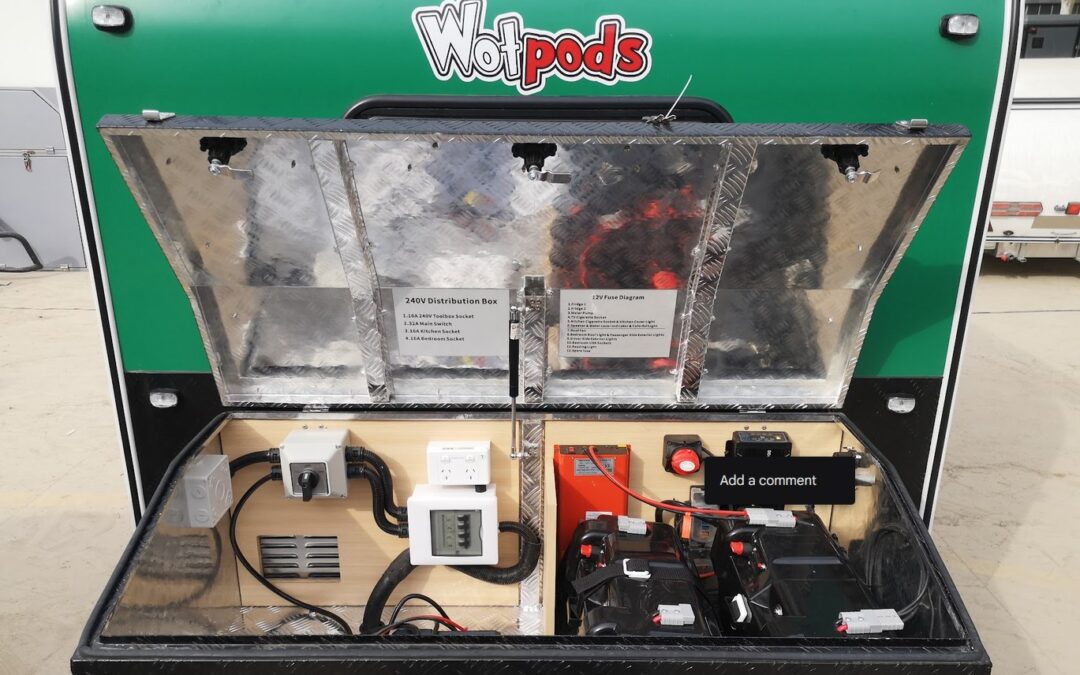
That means solar and lithium matter more than flashy extras. A good off-grid setup should comfortably run your lights, fridge, charging points and a few convenience items without forcing you to constantly ration power. If your ideal trip includes a fan on warm nights, charging devices, using a water pump and keeping food cold for several days, then battery size and solar input are not optional extras. They are core spec.
Water capacity matters in the same way. A compact van will never carry as much as a full-size caravan, so the question is not maximum volume alone. It is whether the water system matches your travel style. If you are mostly taking short breaks and moving every couple of days, a modest but well-planned setup can work beautifully. If you want to sit in one spot for a week, you need to be realistic about showers, washing up and how much water you are happy to manage.
Then there is construction and practical durability. Off-grid touring is not just about surviving without mains power. It is about handling rougher roads, dust, changing weather and repeated use. You want sensible storage, reliable fittings and a layout that still feels easy when the trip stops being polished Instagram content and starts looking like muddy shoes, jackets and cooking gear everywhere.
Why buyers are choosing compact over bulky
A lot of people love the idea of caravan travel but not the reality of towing something oversized. That is where a teardrop has a real edge. A lighter, more aerodynamic shape is generally easier to pull, easier to reverse and less stressful on longer runs. For many drivers, that confidence matters just as much as the features list.
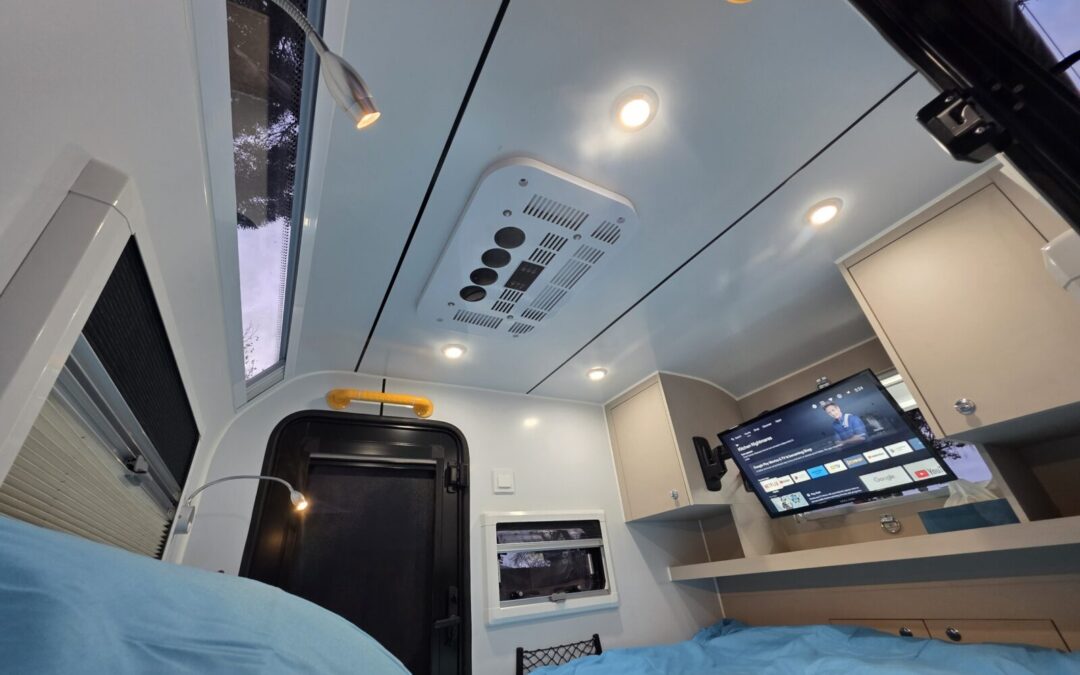
There is also the comfort-to-size ratio. A well-designed teardrop can pack in a surprising amount – a proper bed, smart storage, fridge, entertainment, charging, lighting and a tidy galley setup. You are not dragging around unused space, and that often means better value. Instead of paying for bulk, you are paying for the things you will actually use.
For older travellers in particular, easier setup is a big selling point. Nobody wants to spend half the evening wrestling poles, canvas and tangled gear after a long drive. A good teardrop keeps things simple. Pull up, open up, get settled and enjoy the trip.
The specs worth caring about most
Power that matches real use
This is where a lot of brochures start sounding exciting and stop being helpful. Solar panels look great in a spec sheet, but the more useful question is how the whole system works together. Panel input, lithium battery capacity, charging options and inverter setup all need to suit the way you camp.
If you are mainly chasing weekends away, a modest solar and lithium package may be enough. If you like extended touring or free camping away from facilities, it is worth stepping up early rather than regretting it later. Retrofitting power upgrades can be done, but it is rarely the cheapest path.
Water and kitchen practicality
Compact caravans live or die on layout. A teardrop can have all the right gear on paper, but if the water access is awkward or the kitchen setup feels cramped, you will notice quickly. Look for an easy-to-use galley, sensible bench access, secure storage and a water system that does not feel like a compromise every time you make a cup of tea.
Storage that keeps the van liveable
Off-grid travel usually means carrying more. Food, clothes, charging gear, chairs, bedding, recovery basics and personal items all need a place. Good storage is not about cramming in cupboards for the sake of it. It is about putting the right storage in the right spots so the van still feels calm and usable.
Towing weight and tow vehicle match
A compact van is only a good idea if it stays practical on the road. Check the tare, ATM and ball weight properly, then compare them with your vehicle. This is one of the easiest places for buyers to get carried away by features and forget the maths. Extra batteries, water, accessories and packed gear all add up.
Off grid teardrop caravan trade-offs buyers should know
The strongest buying decisions usually come from understanding the compromises, not pretending they do not exist.
A smaller van is easier to tow and store, but you will have less internal living space than a larger caravan. If you are the sort of traveller who likes spending full rainy days indoors, that matters. On the other hand, if most of your time is spent outside and you mainly want a comfortable, secure base, the compact footprint feels like a win rather than a limitation.
More off-grid capability also tends to mean higher upfront cost. Bigger lithium systems, better solar, stronger chassis design and upgraded inclusions all push the price up. But cutting those items to save money can be false economy if you later discover the van does not suit the trips you actually want to take.
It also depends on how remote you really plan to go. Plenty of buyers say off-grid when they mean a few nights at simple campsites. Others mean long stretches away from facilities. Those are not the same brief. Buying honestly for your real travel pattern is smarter than buying for the fantasy trip you might do once.
How to choose the right off grid teardrop caravan
Start with the trip, not the van. Think about how many nights you typically stay away, what you want to power, how much gear you take and how comfortable you want those stops to feel. Once that is clear, the right spec becomes easier to spot.
Next, compare standard inclusions carefully. This is where value can shift fast. A cheaper van is not always cheaper once you add lithium, solar, fridge, awning, entertainment and practical storage options. Buyers who compare line by line usually get a clearer picture than buyers who focus on starting price alone.
Customisation also matters more than people expect. A layout or finish that suits your habits can make a compact van feel much bigger in daily use. Simple choices around cabinetry, storage access and add-ons can change how liveable the van feels on the road. That is one reason buyers are moving towards brands that make configuration easier and more transparent rather than forcing them through old-school dealership guesswork.
If you are comparing models, ask boring questions. How long is the lead time? What is included as standard? What support do you get after purchase? Can you see real specs and pricing clearly? Those questions are not boring when you are spending serious money.
Who an off grid teardrop caravan suits best
This style of van suits travellers who want freedom without bulk. Couples are often the sweet spot, especially if they want a proper bed, modern comforts and the ability to get away from crowded parks. Solo travellers also tend to love the confidence that comes with a lighter, easier-to-manage setup.
It can also work well for buyers stepping up from tents, swags or soft-floor campers. You keep the sense of adventure, but lose a lot of the hassle. Better sleep, less setup, more weather protection and a cleaner pack-down routine can make you travel more often, not just dream about it.
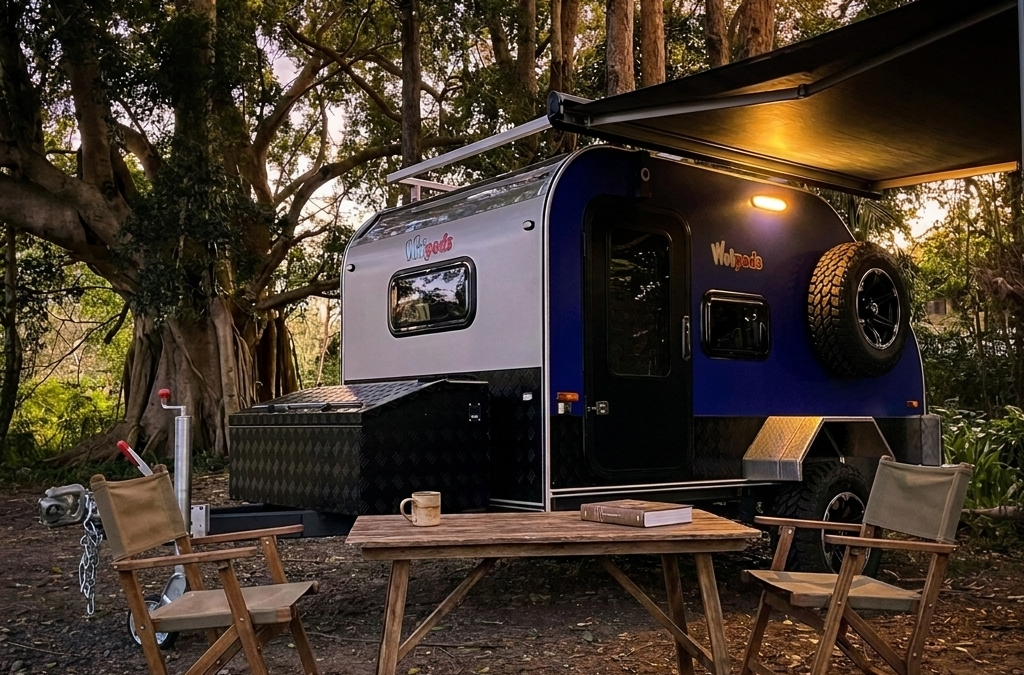
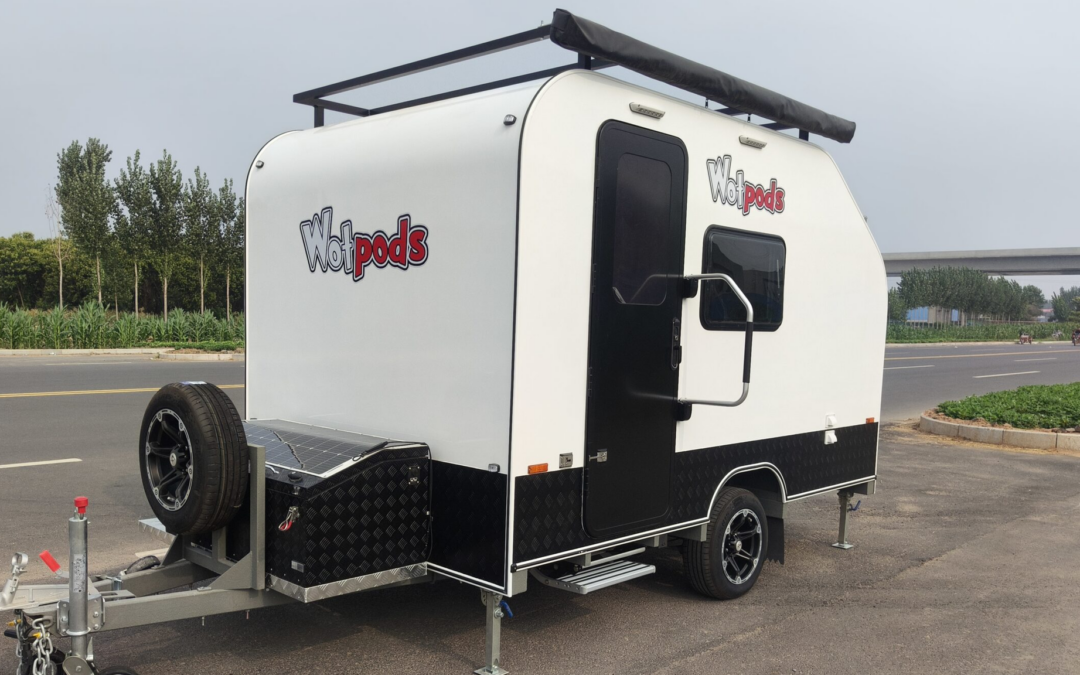
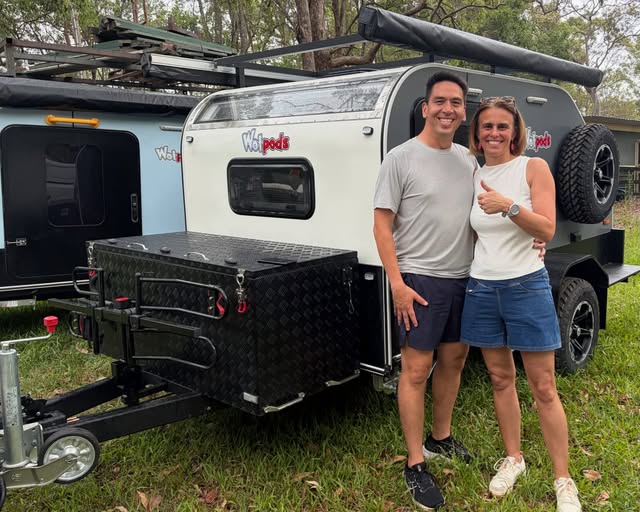
Wotpods has built a strong following around that exact idea – premium teardrop caravans that are easier to tow, better equipped and straightforward to configure without the usual runaround.
The real question is not whether it looks good parked up
Most teardrops look the part. The better question is whether the van will still feel like a good decision after a long drive, a wet morning and three nights without plugging in. That is where smart storage, genuine power capacity, sensible water planning and easy towing earn their keep.
A good off-grid teardrop should make you want to travel more because it removes friction. Less stress on the road, less setup at camp and fewer compromises once you are there. If a van can do that while still feeling comfortable, well-equipped and realistic on price, you are looking at the right kind of adventure rig.
Buy for the trips you will actually take, not the brochure version of yourself. That is usually where the best holidays begin.