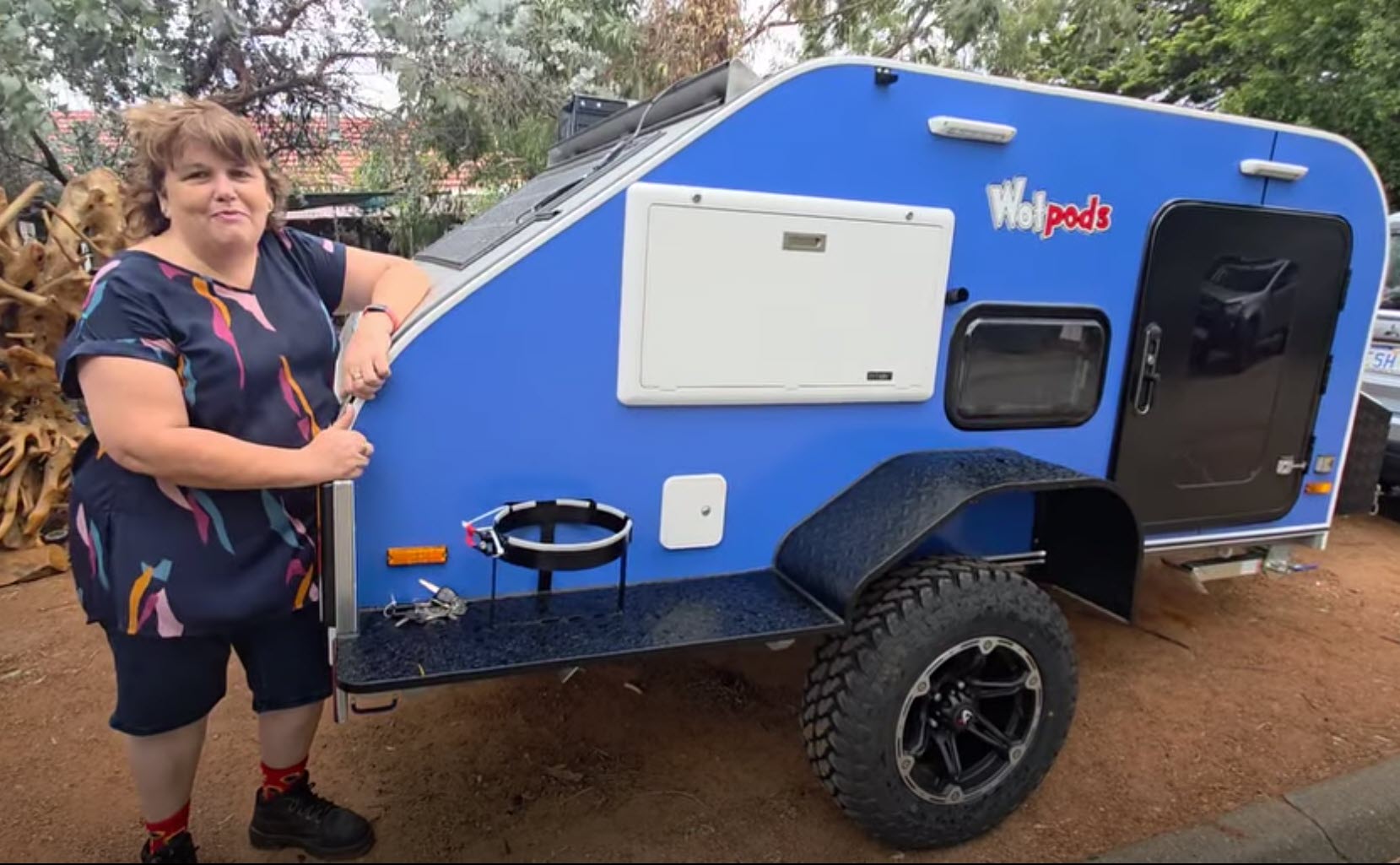
Pulling into a quiet coastal stop on your own can feel brilliant or awkward, depending on what you’re towing behind you. That’s why the right small caravan for solo female traveller life is less about size on paper and more about confidence at every step – towing, parking, sleeping, charging, cooking and heading off-grid without turning every stop into hard work.
If you’re buying solo, the sweet spot is usually a compact caravan that feels easy to manage from the driver’s seat but still gives you real comfort once you’re set up. Too basic, and the trip starts to feel like compromise. Too big, and every fuel stop, back-in site and narrow road becomes a chore. The smart buy sits right in the middle.
What makes a small caravan for solo female traveller use actually work?
The first thing to get right is security. Australia is home to some wonderful campsites and wildlife… and some dodgy wildlife. If you are a single female camper, you will likely be wanting proper steel mesh security screens on your doors with triple locks and locks all round.
The next is towability. A compact van with a sensible tare weight, stable road manners and an easy hitching process does more for your confidence than any flashy extra. Plenty of solo buyers focus on the bed or the kitchen first, but if the caravan feels intimidating to reverse or awkward to tow in crosswinds, that feeling follows you on every trip.
Finally, setup time. If you’re stopping for one night on the move, you don’t want a fiddly routine with too many steps. A compact teardrop or pod-style caravan can be a very strong fit here because it cuts down the usual campsite drama. You want to pull up, open up, sort the essentials and relax.
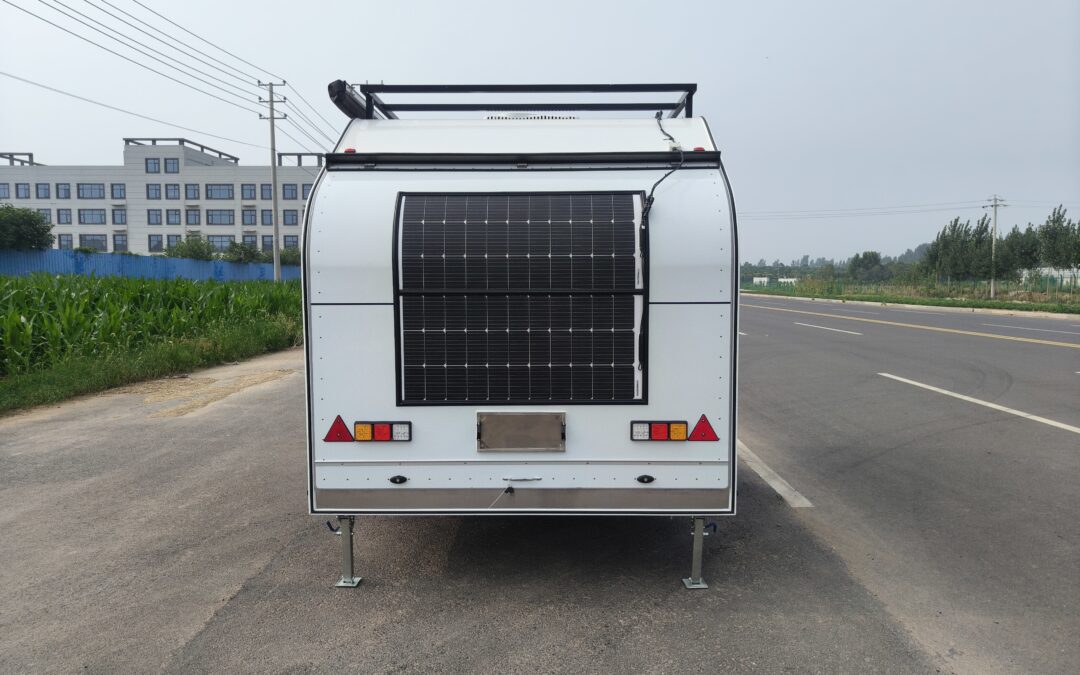
Then there’s self-sufficiency. For many solo travellers, the appeal is freedom – not depending on powered sites every night, not stressing about flat batteries, and not feeling like you need a full caravan park to travel comfortably. Solar, lithium power, a practical fridge and sensible water storage aren’t luxury items in this category. They’re what make spontaneous travel possible.
Small caravan for solo female traveller buyers should start with safety and ease
A lot of articles dance around this, but solo female buyers usually have a sharper filter. You’re not just asking whether a caravan looks good or has enough bench space. You’re asking whether it helps you feel secure and in control.
That starts with visibility and manoeuvrability. A smaller footprint is easier to place on site and easier to manage in tighter areas. It also makes quick overnight stops less draining. If you’ve ever watched someone wrestle a larger van into a cramped pitch, you’ll know exactly why compact matters.
Security matters too, but not in a dramatic way. It’s more about practical reassurance. Good exterior lighting, straightforward locks, easy access to essentials, and a layout that doesn’t leave you fumbling outside after dark all make a difference. The best setups reduce friction. You feel organised, not exposed.
Vehicle matching is another big one. A solo traveller often wants to keep the tow car sensible too. A small caravan that pairs well with a capable SUV or 4WD gives you more flexibility than a heavy van that demands a larger tow vehicle and bigger fuel bills. Lower towing stress tends to mean more trips, and more trips is the whole point.
The layout matters more than headline size
Two caravans can look similar in length and still feel completely different to live with. For solo travel, layout often matters more than total floor space.
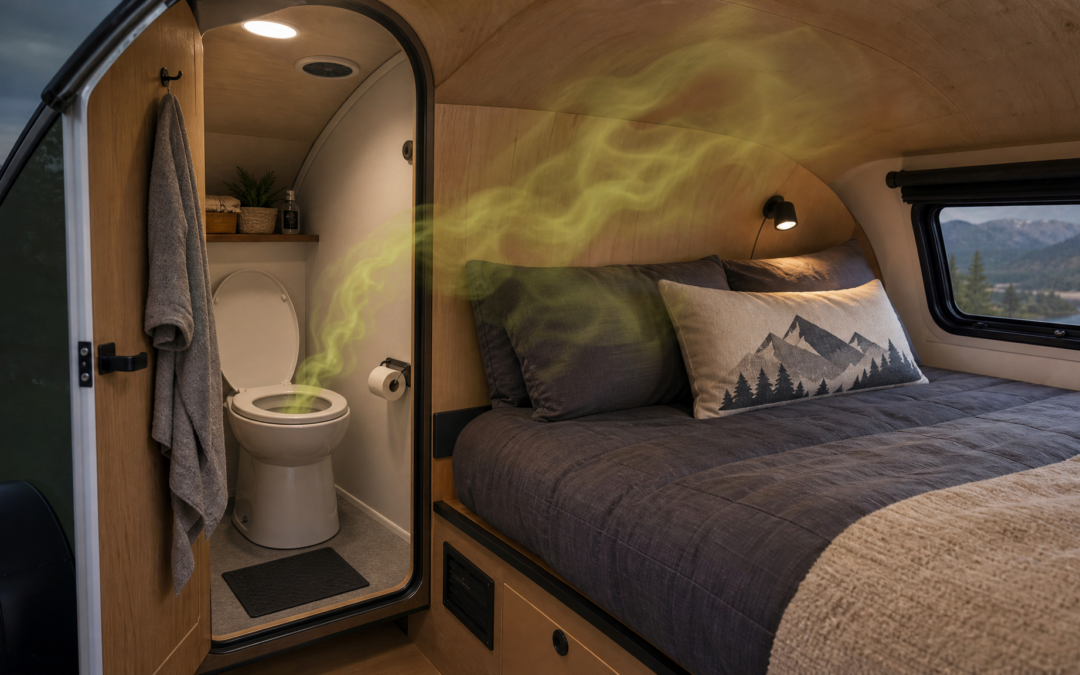
A good layout gives you a proper place to sleep, enough storage for clothing and food, and a cooking setup that doesn’t become annoying by day three. Many solo buyers do well with a teardrop-style format because it keeps the sleeping area simple and comfortable while using exterior kitchen design to save weight and maximise space. Others prefer a slightly more enclosed pod if they want more internal amenities.
There’s no single right answer. If your trips are mostly fair-weather weekends, an outdoor galley can be brilliant. If you’re planning longer touring through mixed conditions, you may lean towards more enclosed comfort. That’s where being realistic helps. Buy for the trips you’ll actually take, not the fantasy lap around the country you might do one day.
Storage is often underestimated. You don’t need endless cupboards for solo travel, but you do need smart storage. Dedicated spots for shoes, chargers, bedding, food, recovery gear and everyday items stop a small caravan from feeling cluttered. In compact touring, good storage is what keeps the van calm and usable.
Off-grid comfort is where compact caravans earn their keep
A small caravan only stays enjoyable if it’s properly equipped. A stripped-back budget build can look tempting on price, but once you start adding essentials, the maths changes quickly.
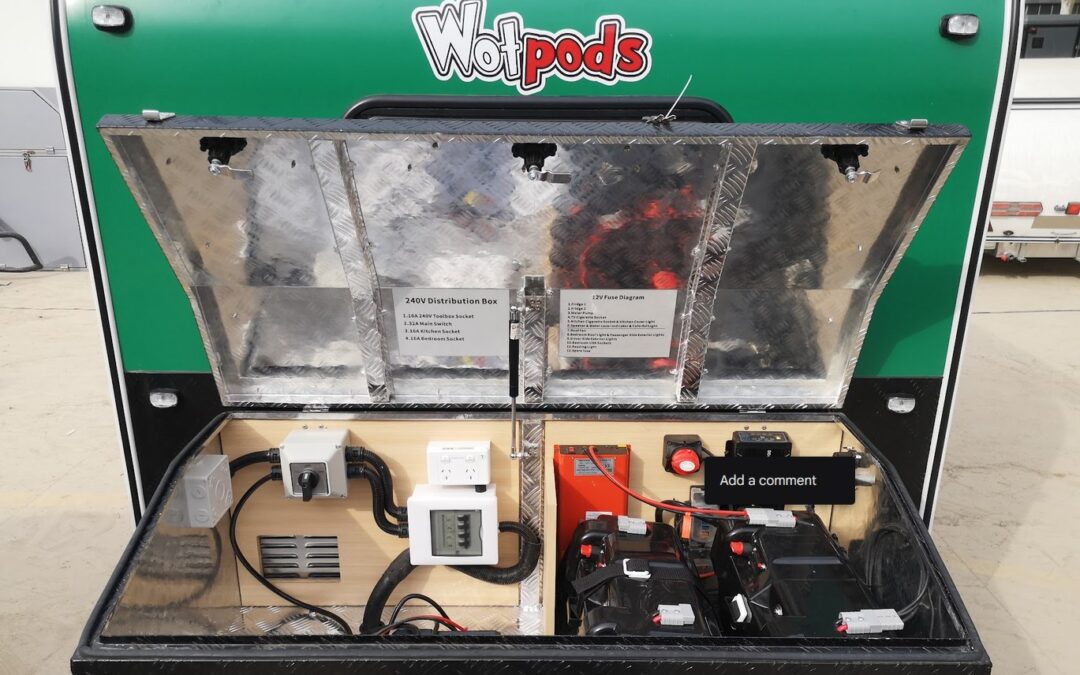
This is where feature-rich compact caravans stand out. Solar and lithium battery systems support the basics without fuss. A practical fridge means you can stop buying food day by day. Useful lighting, charging points and efficient power management turn a small van from a weekend toy into a genuine touring setup.
Comfort matters as well. A decent mattress, ventilation, insulation and protection from dust and weather are not fluffy extras. If you’re travelling solo, your caravan is the whole base camp. It needs to feel like a good place to be, not just a shell to sleep in.
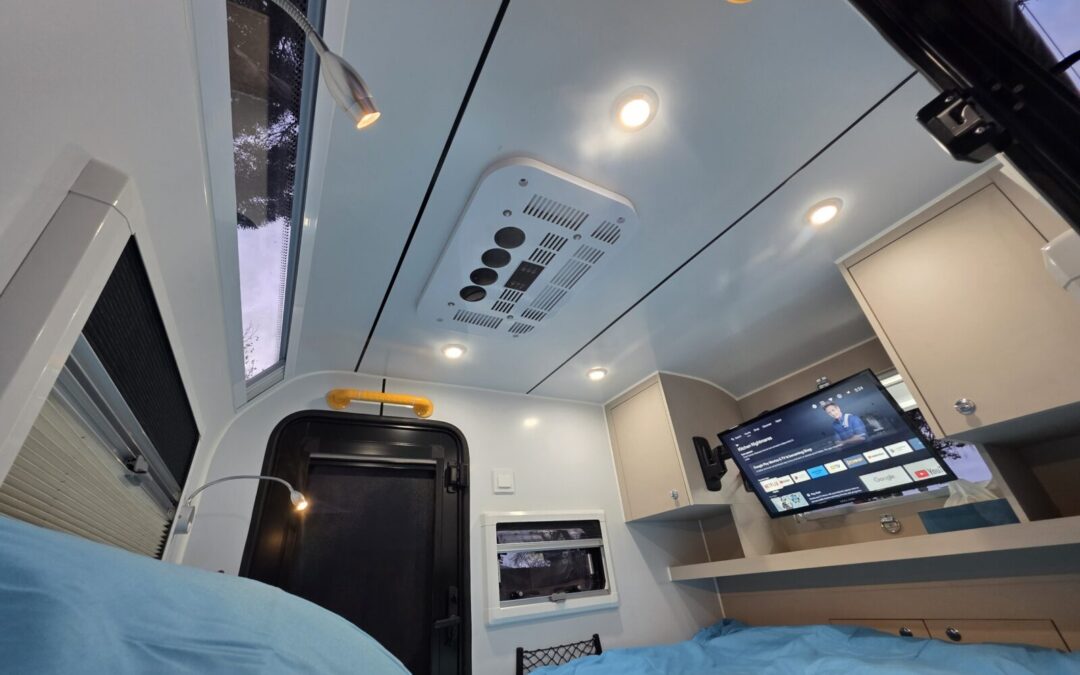
Entertainment and convenience can matter more than some people admit. If you’re spending quiet evenings on your own, smart inclusions such as well-placed lighting, charging options or a simple entertainment setup can make the experience feel polished rather than basic. That doesn’t mean cramming in gimmicks. It means choosing features that make solo travel feel easy.
Price matters, but value matters more
Solo buyers are usually sharp on value because every dollar is your own dollar. That often leads to the right question: not what is the cheapest van, but what gives you the best usable package for the money?
A cheap small caravan can become expensive if you need to upgrade power, improve storage, add practical accessories or fix poor-quality finishes. On the other hand, a well-specced compact van with strong standard inclusions can save money and hassle from day one.
This is where customisation can be genuinely useful rather than decorative. Being able to tailor a van to your travel style means you’re not paying for things you won’t use while still getting the gear that matters. If you like short coastal breaks, your setup may differ from someone planning remote inland touring. The caravan should fit the mission.
For buyers comparing options, lead time and support matter too. A bargain stops being a bargain if you’re left chasing answers, waiting on parts or trying to sort out handover issues on your own. Confidence in the buying process counts, especially when you’re purchasing solo.
Why compact teardrops appeal to solo women
There’s a reason compact teardrop caravans keep getting shortlisted by solo women. They’re lighter, simpler and more approachable than many full-size vans, but they still deliver the things that matter – a secure sleeping space, practical storage, strong off-grid capability and easy towing.
That balance is hard to beat. You get a caravan that feels adventurous without being a burden. You can head away for a weekend without turning the whole trip into a logistics exercise. You can also tow with more confidence, store it more easily at home, and spend less time worrying about the van than enjoying the destination.
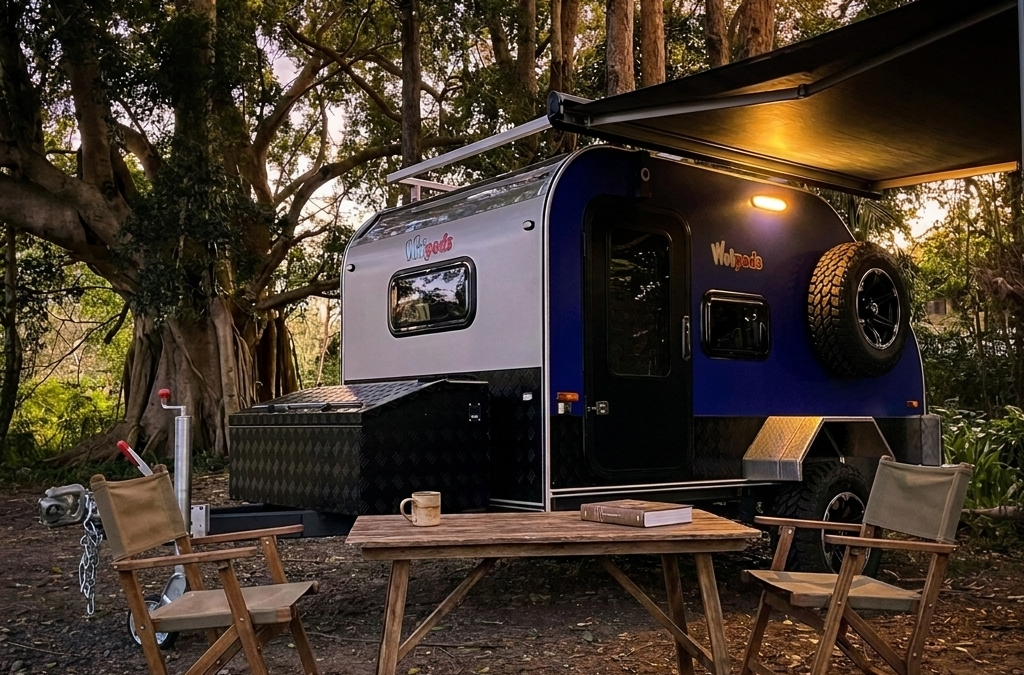
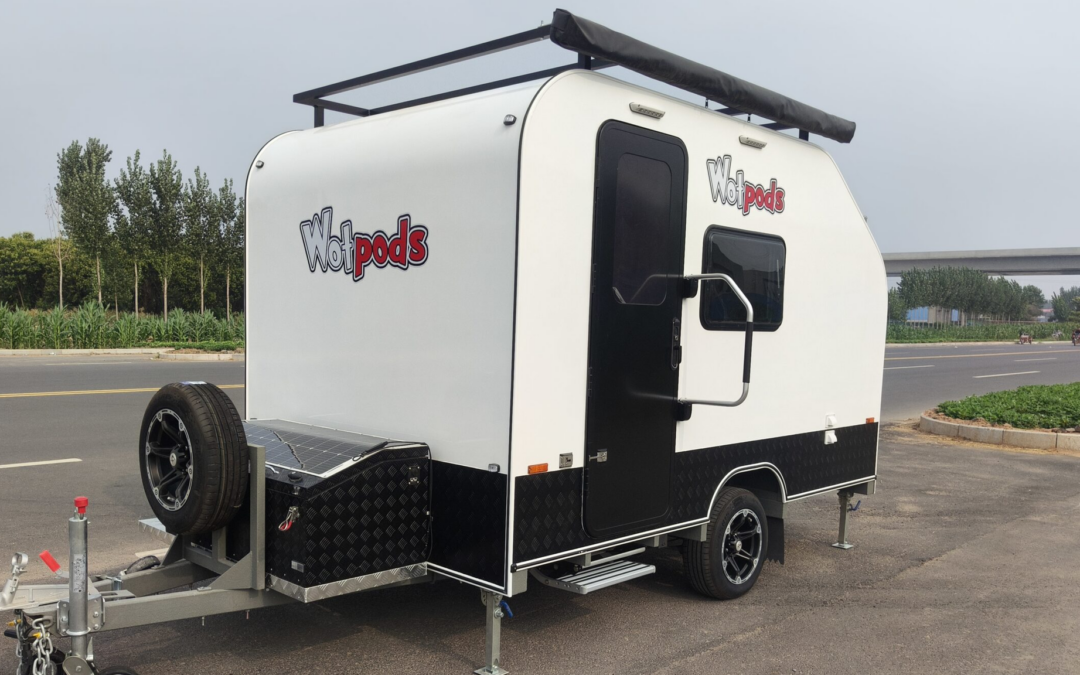
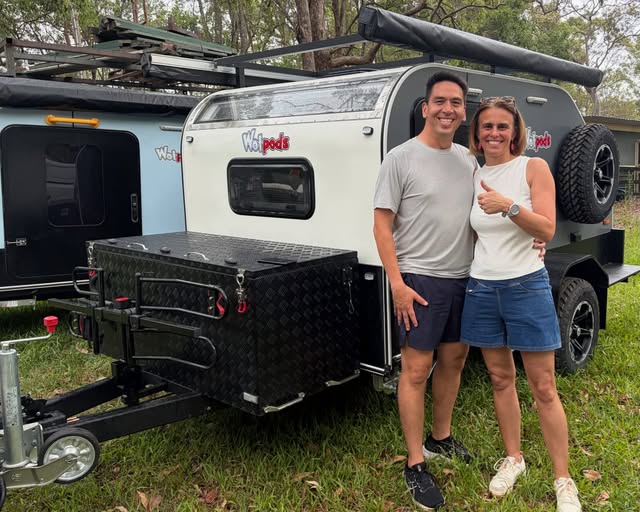
For plenty of buyers, that’s the point where compact stops looking like a compromise and starts looking like the smart move. Brands like Wotpods have leaned into this properly, building compact caravans with the kind of inclusions solo travellers actually use rather than leaving buyers to patch together upgrades later.
What to check before you buy
Before saying yes to any small caravan for solo female traveller use, look hard at the numbers and the real-world details. Check the tare and ATM, then match those figures to your vehicle properly. Ask yourself how easy the caravan will be to reverse, store and hitch on your own. If you hesitate on any of those points, pay attention.
Then look at the living details. Is the bed genuinely comfortable? Is the kitchen practical? Is there enough battery and solar for the way you travel? Can you reach what you need without a circus act? Small caravans live or die on these everyday details.
Finally, think about how you want to buy. Some buyers still want a traditional yard walk-through. Others prefer a modern process where they can compare specs, customise finishes and get a clear quote without wasting weeks. If the buying experience feels vague, old-fashioned or padded with hidden extras, that’s usually a sign to keep looking.
The best caravan for solo travel is the one that makes you more likely to go. Not someday, not after more research, not when conditions are perfect. Just go. If a compact caravan gives you that kind of confidence, you’re already on the right track.